
Nov+Dec 2025 Update
It’s been a busy year-end for the Pila team — Pardon our delay on this update! I’m thrilled to share the latest with you, starting with a look-back on this momentous year.
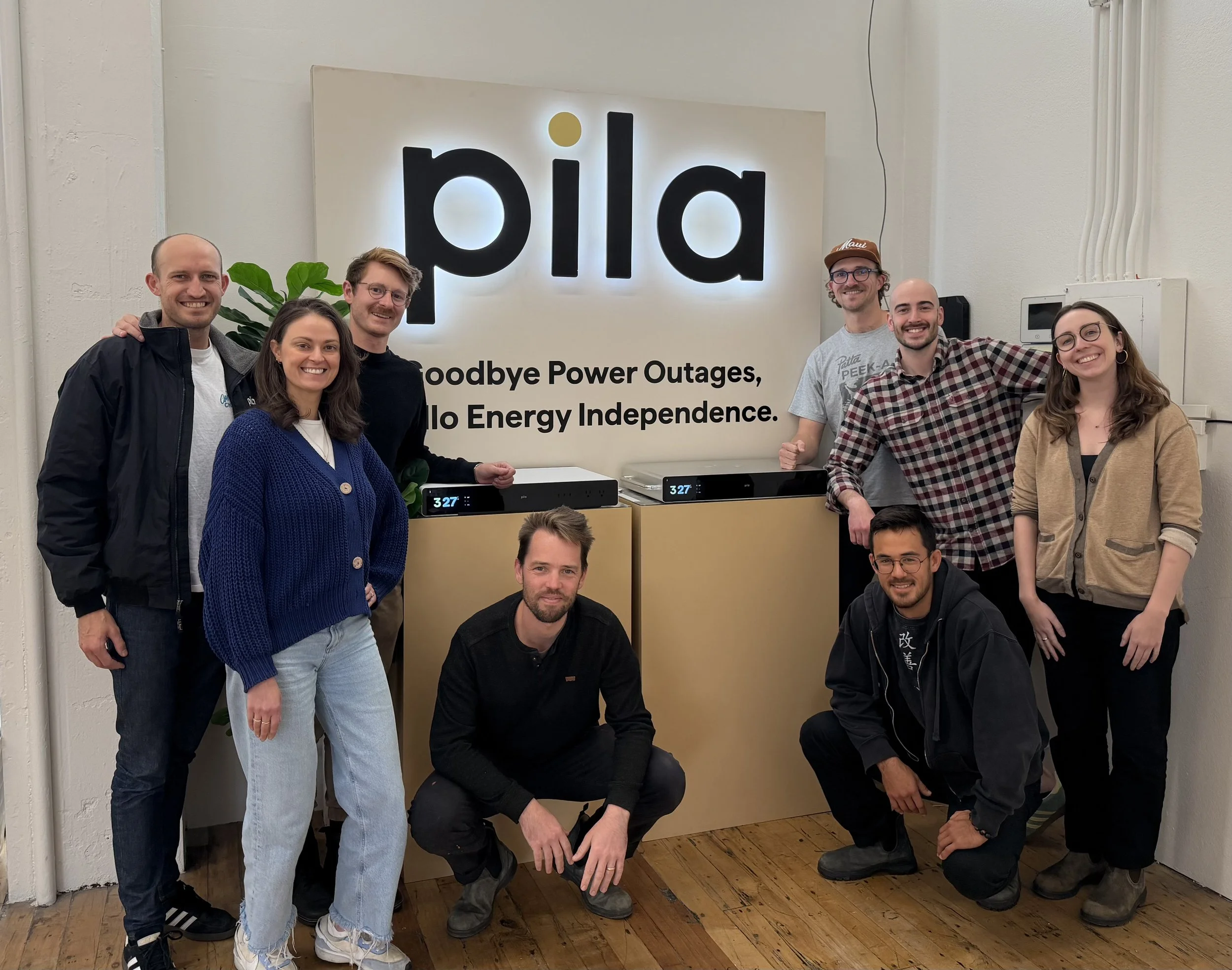
Pila in 2025 — A Year of Momentum
March: Launching Pila into the World
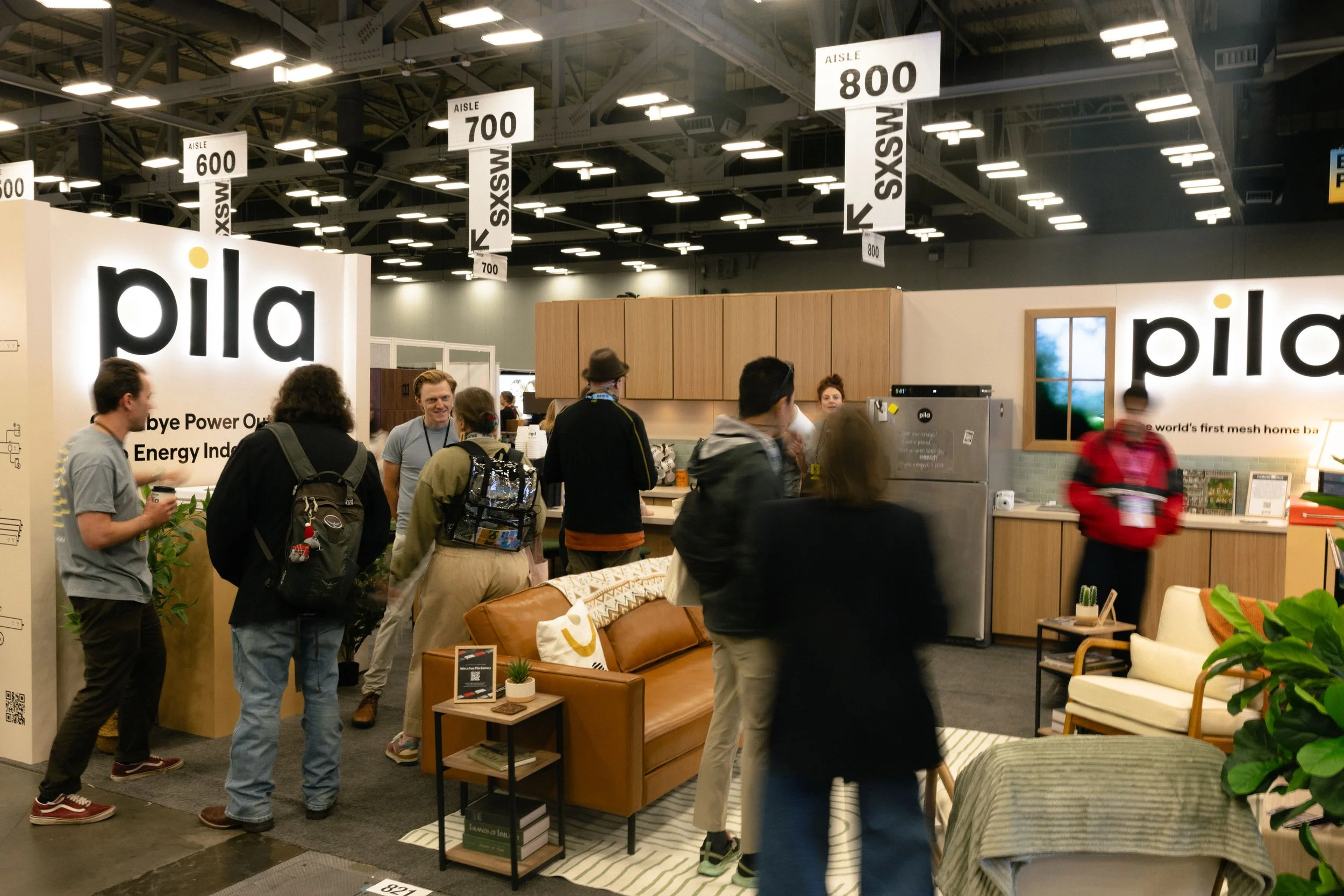
We officially launched Pila at SXSW 2025 in Austin, opening Early Access Reservations and introducing our vision for a more resilient, human-centered energy future.
The response exceeded anything we expected. Thousands of conversations, deep curiosity from homeowners and builders alike, and an outpouring of enthusiasm around the idea that energy should be simple, reliable, and accessible to everyone.
Pila quickly gained national attention, with coverage from CNET, Vice, NBC, EnergySage, PV Magazine, and more — and even landed on the front page of Hacker News. It was a clear signal: people are ready for a better way to power their homes.
Spring–Summer: Building What Comes Next
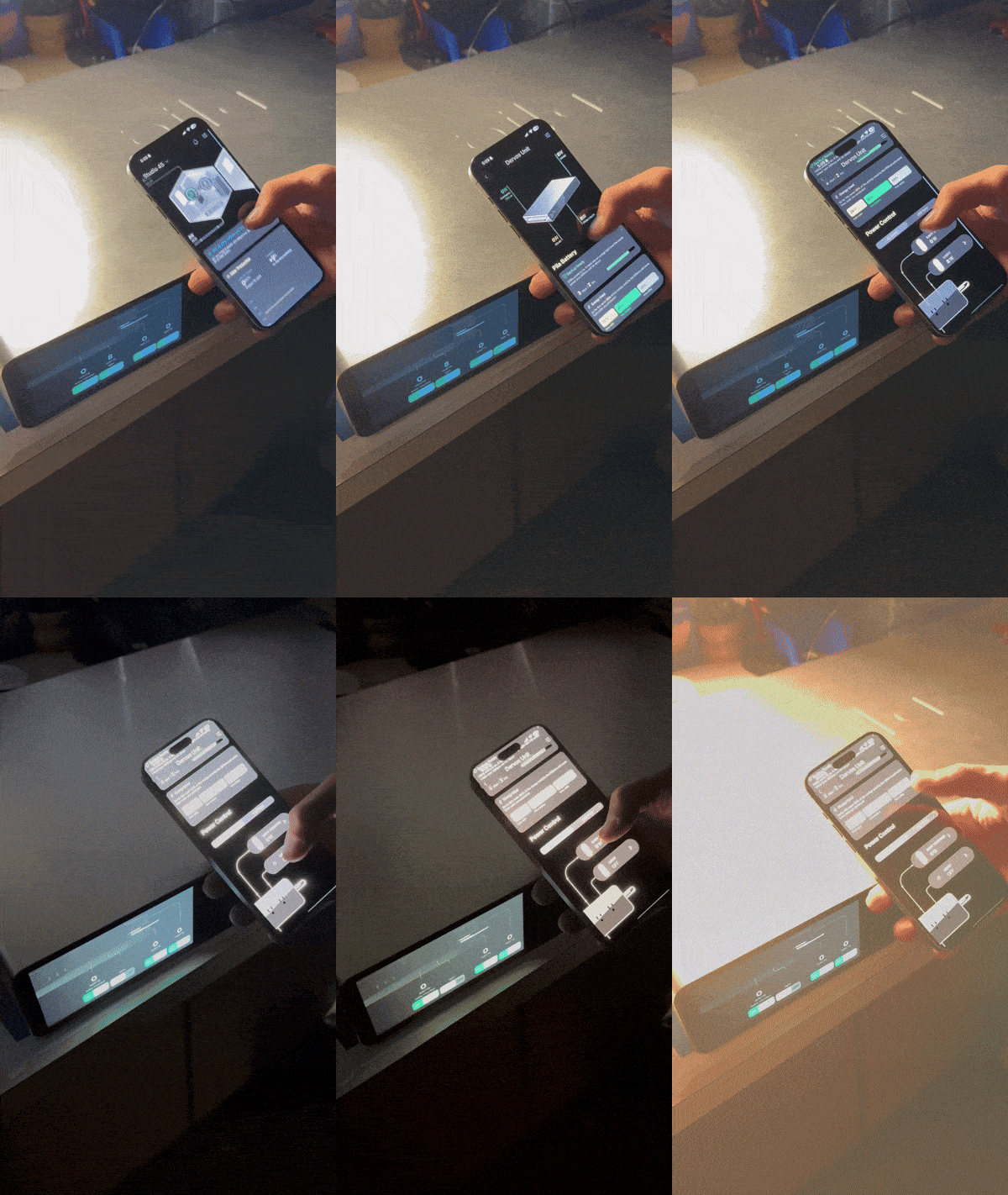
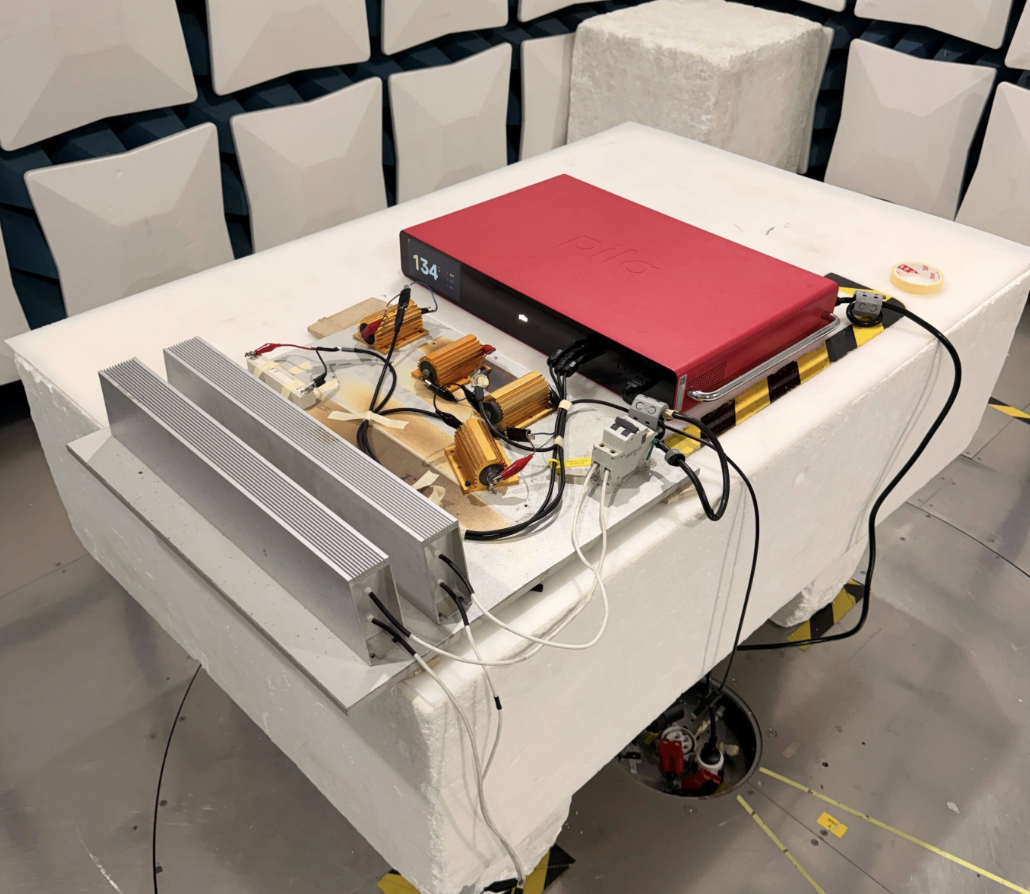
As the excitement of launch settled, our focus shifted to execution.
We made major progress across hardware, software, and manufacturing — moving from early prototypes to production-intent systems. This included:
Advancing our battery design through rigorous safety and reliability testing
Building out our PilaOS operating system from the ground up, our analytics and telemetry platform, and our mobile app
Developing our mesh communication system and refining local, on-device intelligence
At the same time, we began expanding early beta deployments, learning directly from real homes and real usage. These insights helped sharpen what Pila does best — powering essential spaces like refrigerators and home offices, while supporting a wide range of creative use cases.
One insight stood out: many early customers already owned backup power solutions. What they wanted wasn’t another battery — it was something simpler, smarter, and integrated into everyday life.
Summer–Fall: Momentum Builds
Throughout the summer and fall, Pila continued to show up across the energy ecosystem:
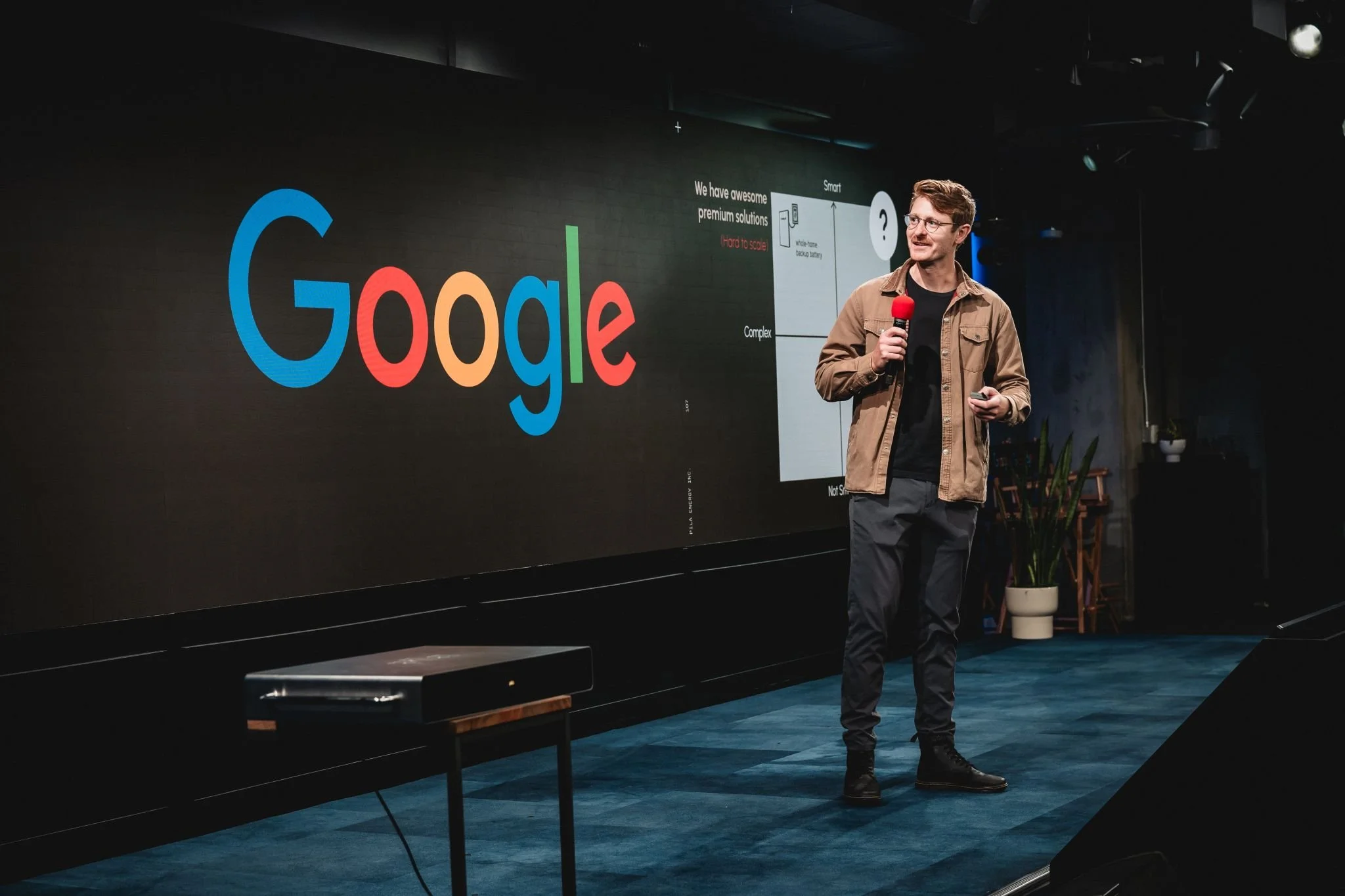
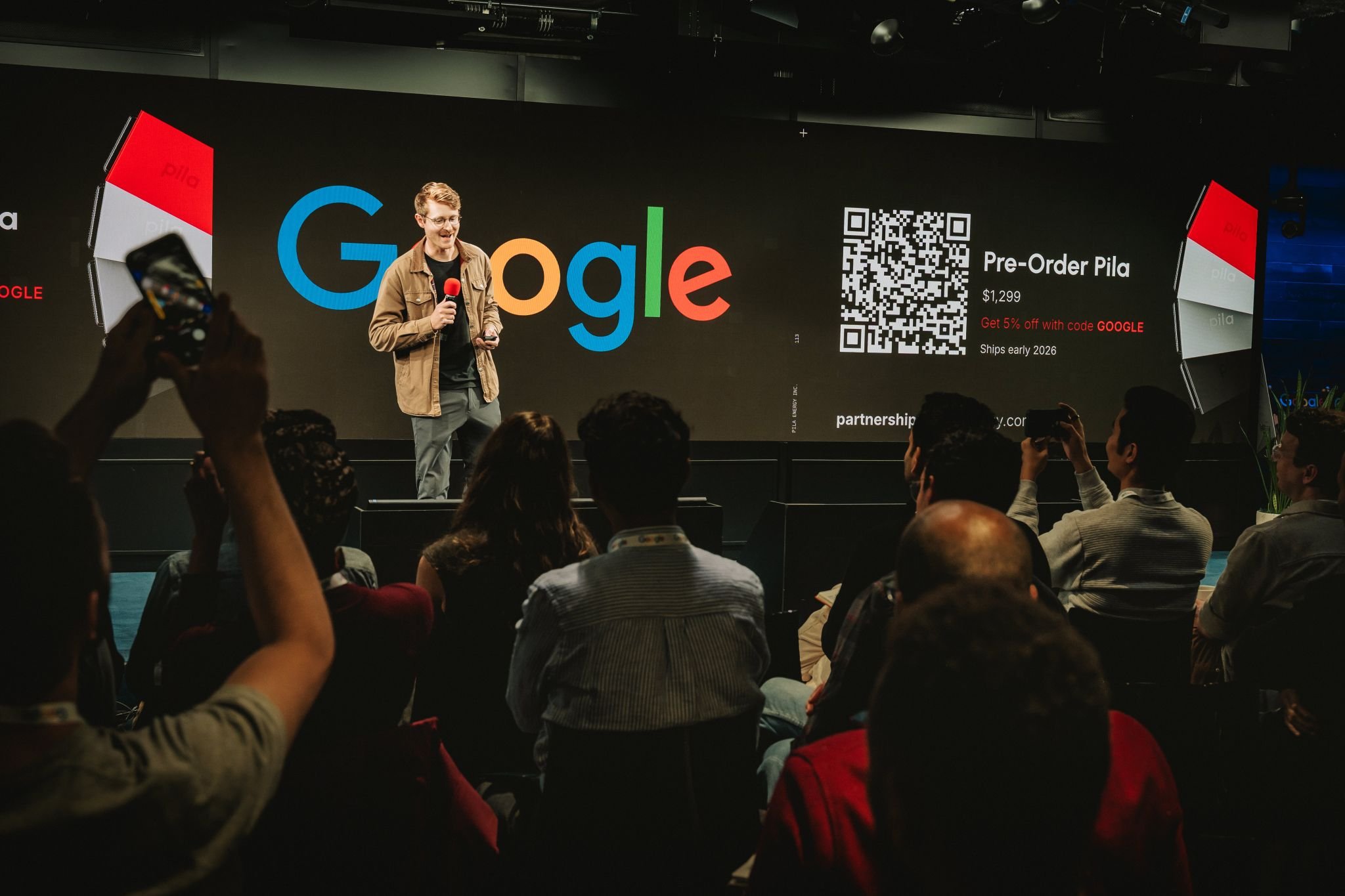
We joined the Google for Startups: AI for Energy Accelerator, working alongside incredible Google teams shaping the future of infrastructure.
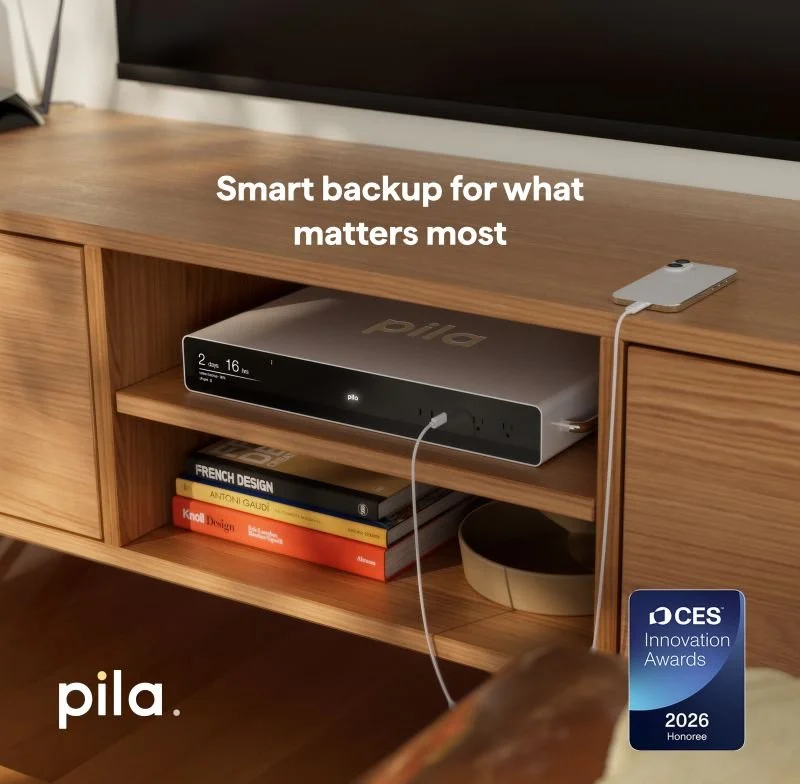
We were honored with recognition from Fast Company, CES Innovation Awards, and MistyWest’s HardTech Awards.
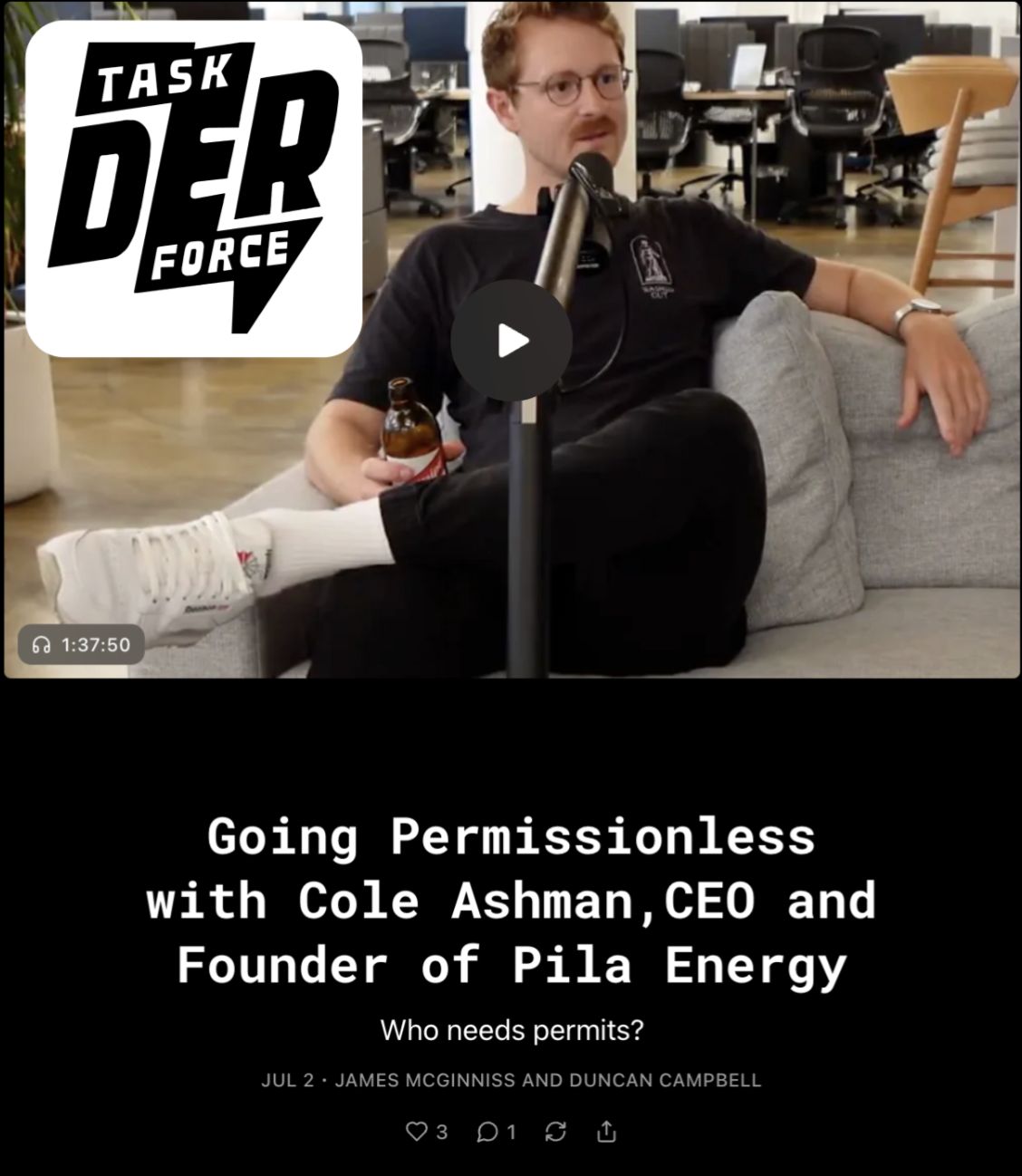
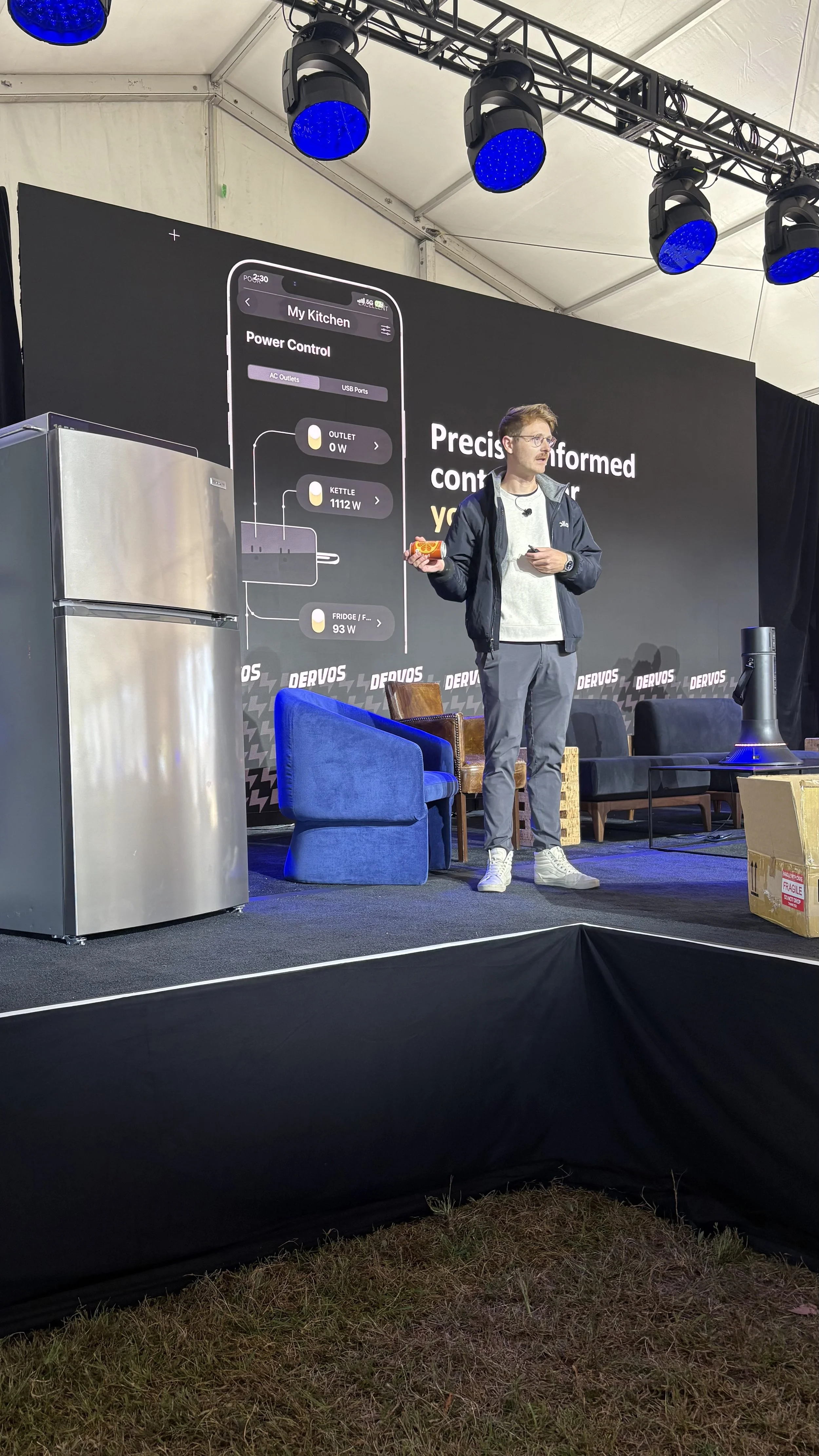
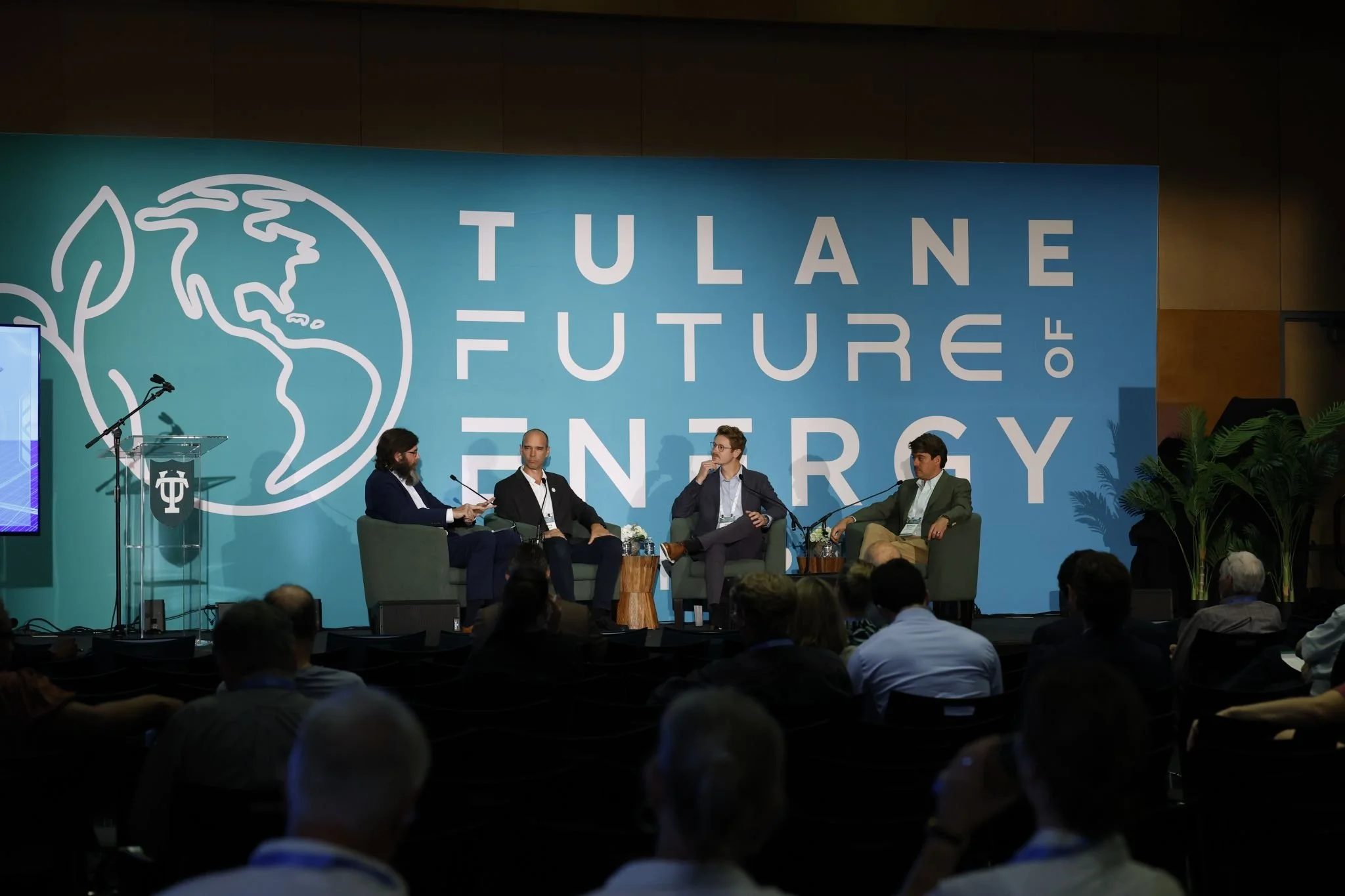
We shared Pila’s story across podcasts, events, and panels — from DERVOS and TEDx to Electrify Expo, Tulane Energy Forum, and SF Climate Week.
Across every conversation, a common theme emerged: Energy resilience can’t wait for massive infrastructure projects. It has to start in homes, today.


Where We Are Now
As the year closes, we’re deep into manufacturing ramp and final validation. Expanding early shipments across the US are on track for early 2026 with a strong ramp up through mid-year.
Most importantly, we’re building alongside a growing community of customers, partners, and supporters who believe — like we do — that energy should be dependable, intuitive, and empowering.
⚡️ Thank You!
What a year it’s been! And we’re just getting started.
To everyone who’s followed along, shared feedback, shown up at events, or placed an early reservation — thank you. We couldn’t be more excited to support your journey to energy independence and beyond!
— Cole Ashman, CEO & Founder

🎉 We’ll see you at CES!
We’re excited to be at CES this January, connecting with builders, partners, and curious minds from across the energy and technology ecosystem. If you’re there, come say hello — we’d love to show you Pila in action.
Sneak peak below: We just finished shooting an exciting video with Bould Design taking people behind the curtain on our human focused design process. This video wasn’t possible without the amazing team at Cusick Media, especially their founder and Creative Director Tristan Cusick!
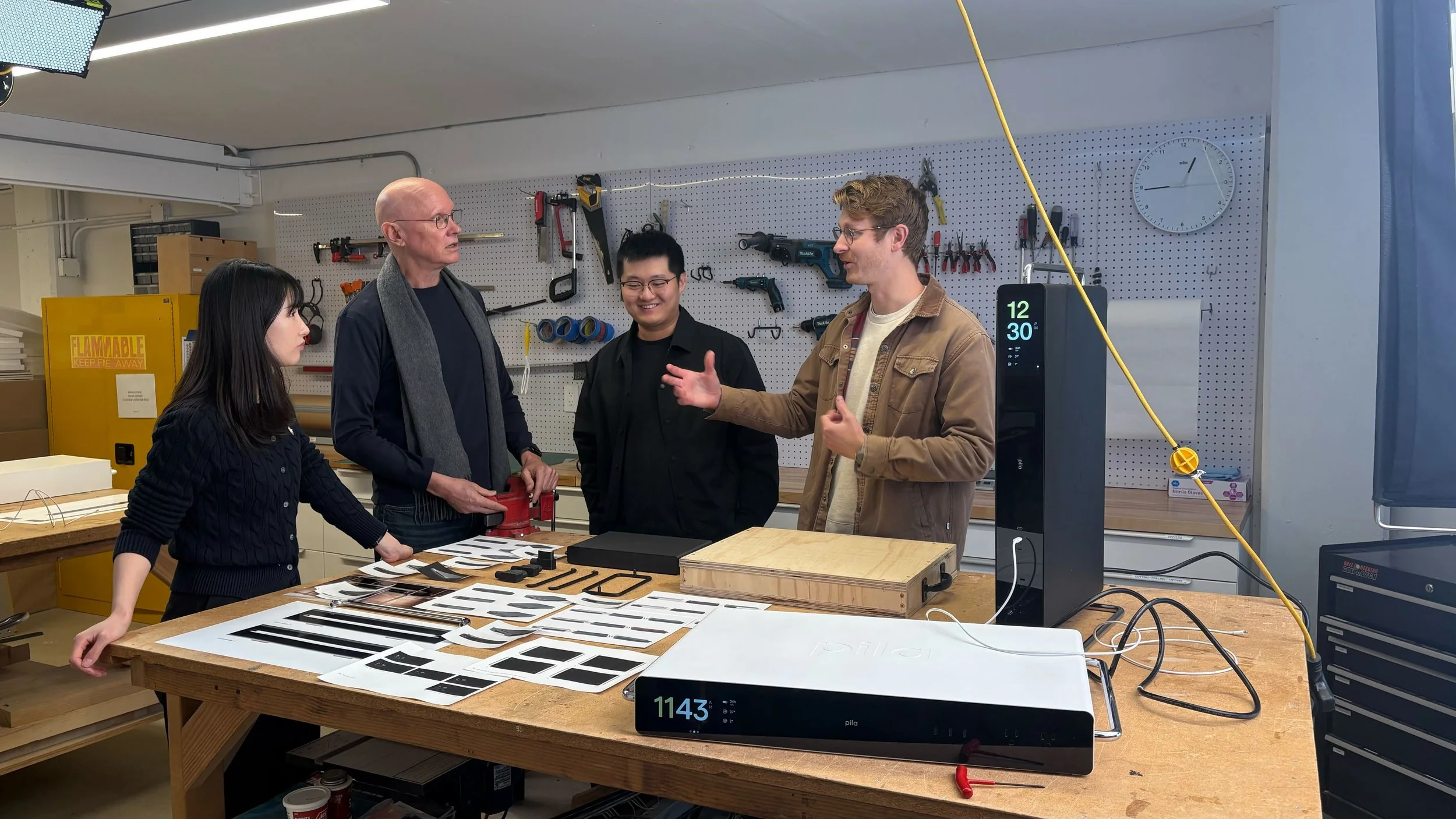
Cole, with Fred Bould and the design team that worked on Pila
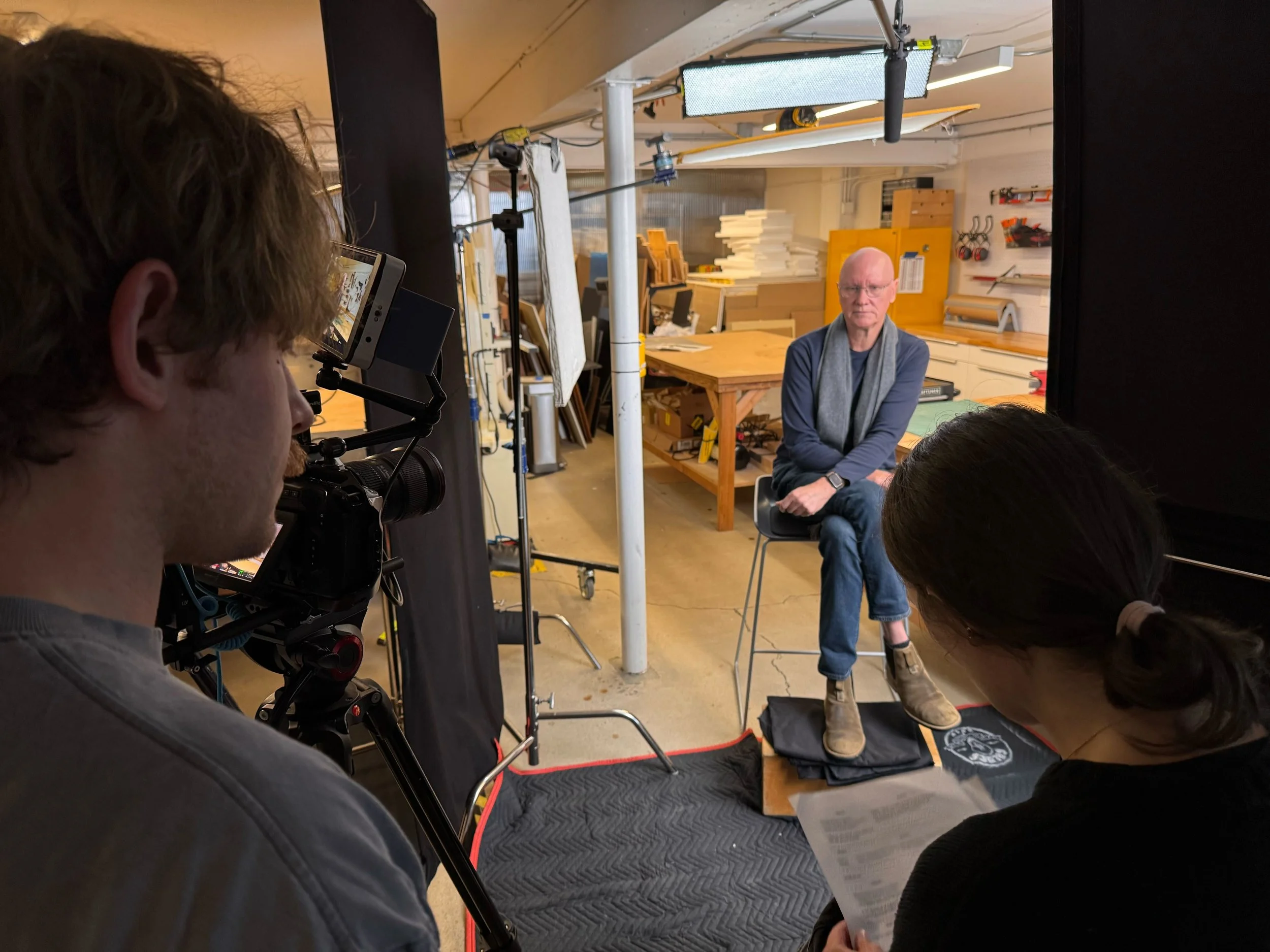
Deep-diving Pila’s design origins
⚡️ The Future of Energy on Display
🎥 Pila on the TEDx Stage
📰 Canary Media on Pila’s Scalable Energy Independence Mission
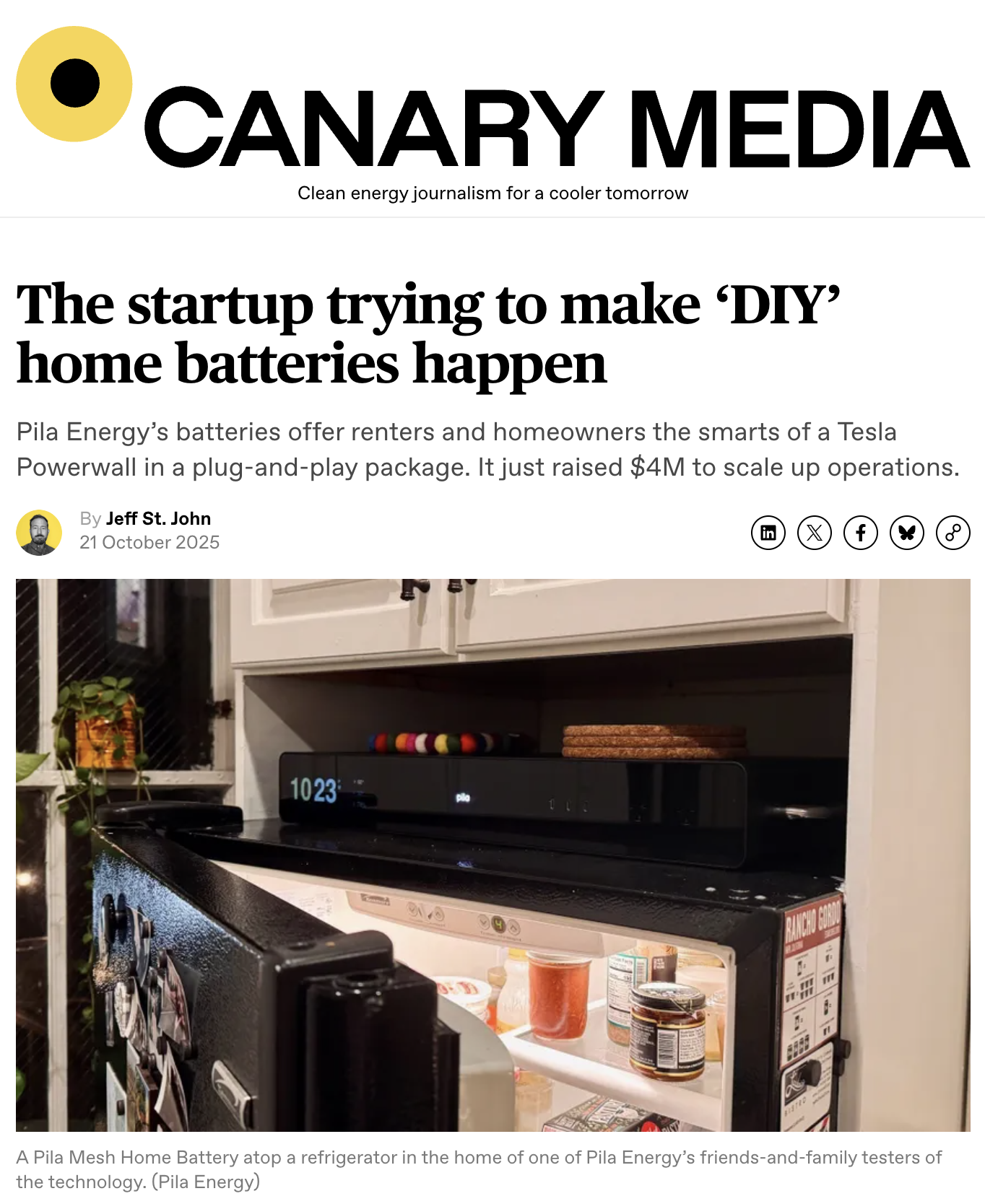
“Pila’s batteries don’t just provide value to their owners during blackouts; the devices are also functional when the grid is up and running. They can be programmed to store energy when it’s cheap — say, during midday hours when grid prices are low or rooftop solar is abundant — and deploy that power during afternoon or evening hours, when households often pay higher rates for electricity from utilities.”
Check out the full article, here.
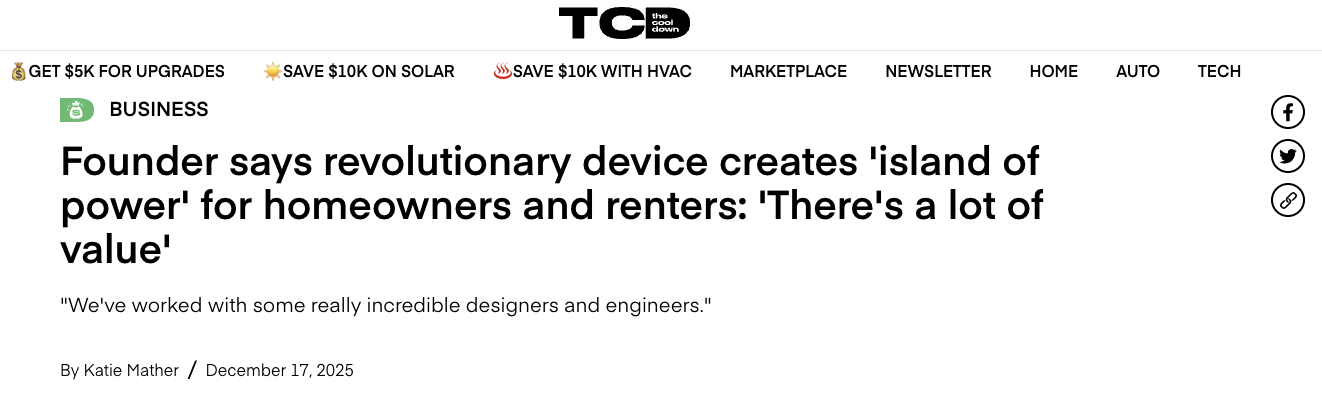
📰 The Cool Down on Pila’s Revolutionary Design
“Americans lost more power in 2024 than in any year in the past decade, a new report by the Energy Information Administration found. While most of the causes were severe weather events, it's estimated that about one in four households throughout the country dealt with at least one outage annually.
One solution for this ongoing problem? A first-of-its-kind backup battery that is as sleek as an Apple laptop and plugs directly into specific devices (like a fridge or sump pump) to keep them running during a blackout. It's called the Pila battery, and it's priced at a fraction of what a whole-home generator or battery system typically costs.”
Check out the full article and interview with Cole, here.
🥳 The Pila team continues to grow!
We couldn’t be more excited to introduce two new members of the Pila team, filling critical roles in engineering and systems design!
Tai Kao-Sowa is joining Pila Energy as our Lead Systems Engineer. A BS/MS graduate of Stanford University, Tai brings hands-on experience in electrical system design from his time at Tesla Energy and SPAN, where he worked across a suite of residential and industrial energy products including Powerwall 3, Megapack, and the SPAN Panel. When not helping shape the future of sustainable energy, Tai can be found practicing Brazilian Jiu Jitsu or backpacking.

Tai, serenading the mountains
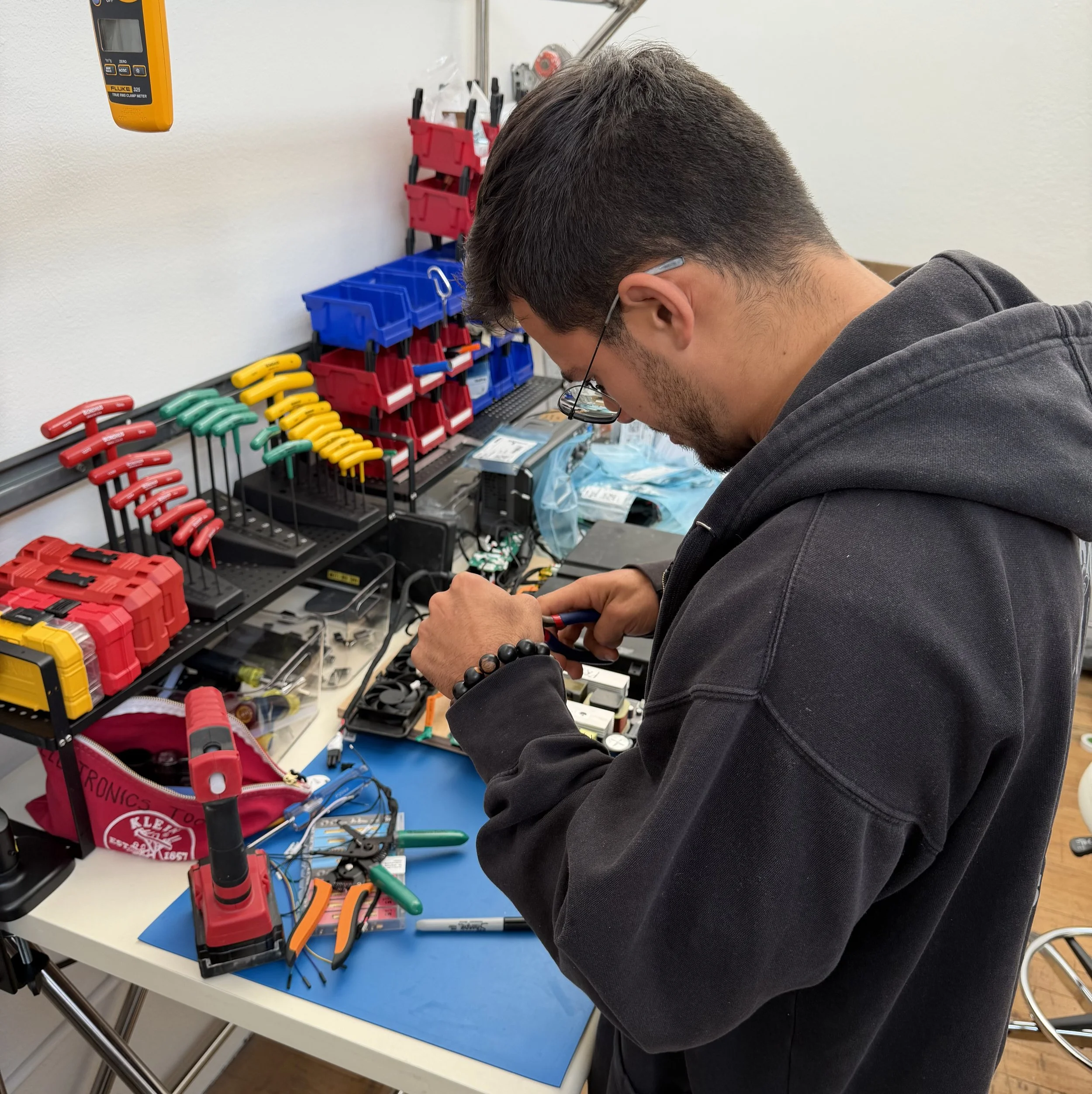
Day 1 and Tai is in the weeds of Pila hardware
Emily Shilton joins us as an Electrical Design Engineer. Backed by a Master’s in Sustainability and previous experience as an Electrical Engineer on the Google Pixel team, with prior roles at Project Loon, Apple, and Nest, Emily is passionate about combining her sustainability background with her hardware engineering experience to create beautiful, user-focused products that also deliver meaningful energy impacts. She is excited to help bring the first generation of Pila hardware to market.

Emily enjoying the Canadian summer!
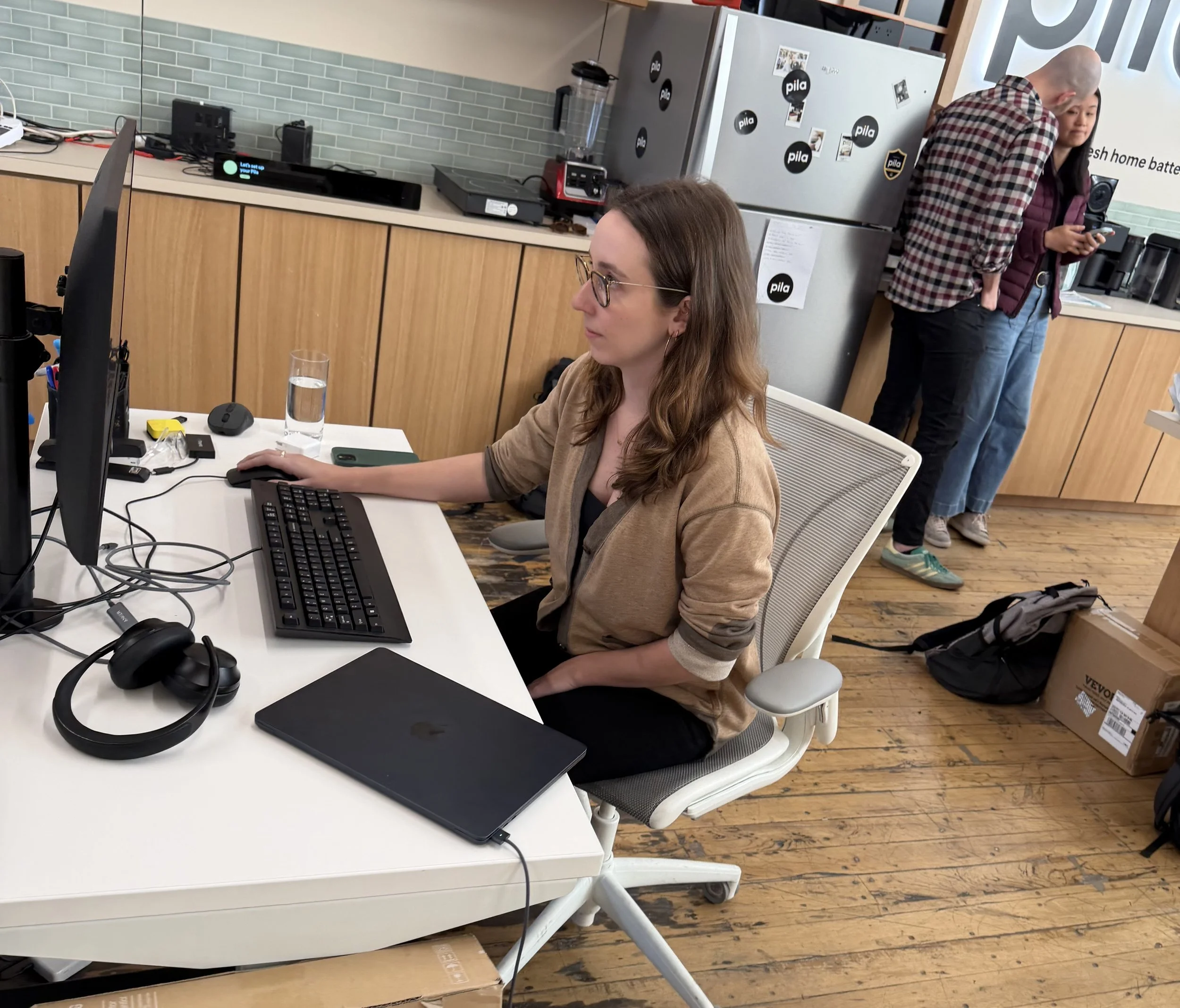
Emily learning the ins and outs of Pila systems!
🎨 Building Best-in-Class User Experience
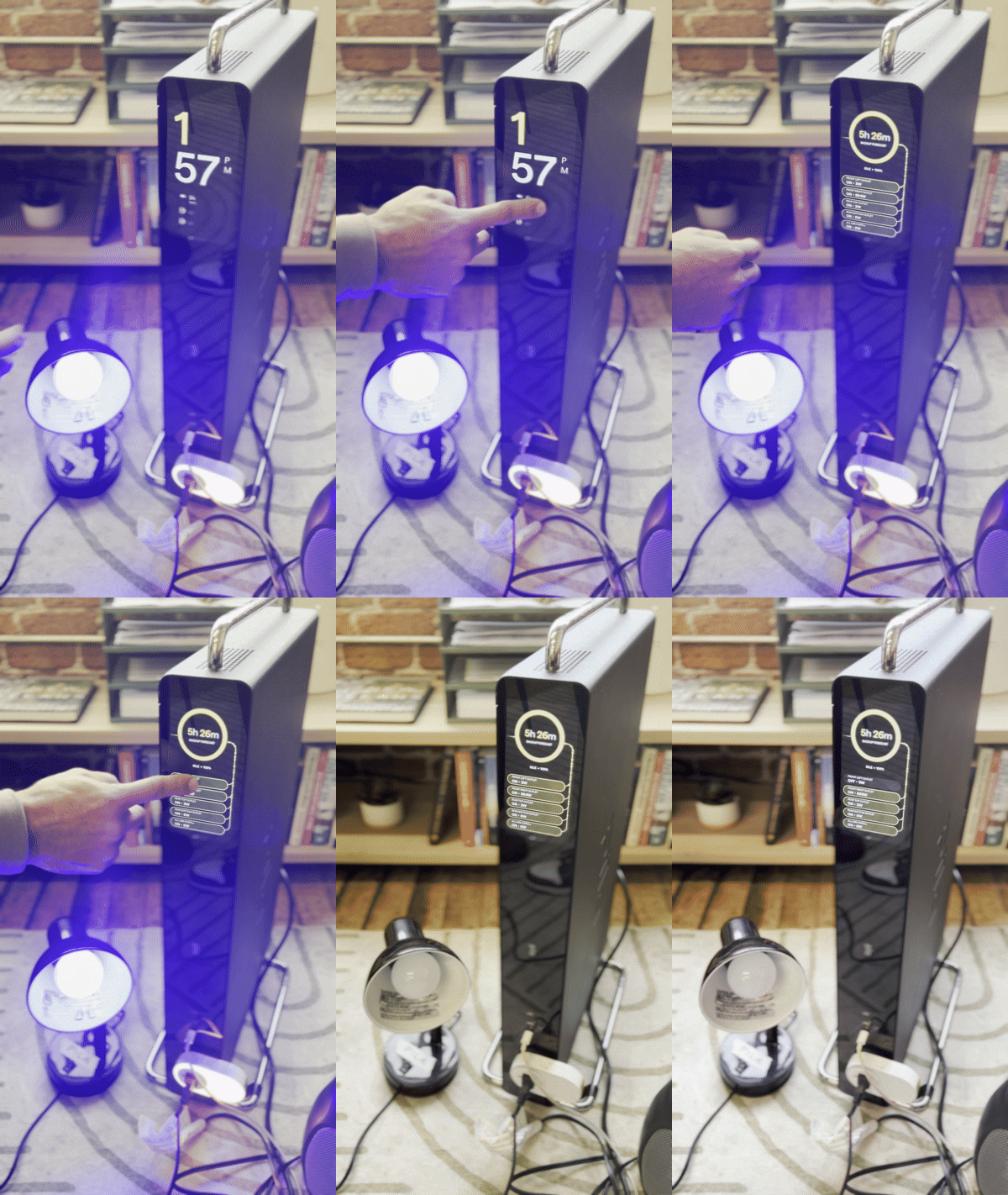
With beta testing and CES in mind, the last few weeks have been all about polish. Our design and software teams have been deep in the details of Pila's touchscreen interface — refining animations, testing tap targets, and making sure every interaction feels right.
Here's the thing about on-device UI: It's easy to overlook when it works well, and incredibly frustrating when it doesn't. You shouldn't need to pull out your phone to check battery status or adjust settings. The touchscreen needs to be fast, clear, and obvious — even when you're juggling groceries or dealing with an unexpected outage at 2am.
We've been testing the UI with employees and their test units. Some feedback has been predictable. Other insights have surprised us. Turns out, the language we use matters as much as the layout. "Backup mode" resonates better than "grid-disconnect outage protection" … who could’ve guessed?
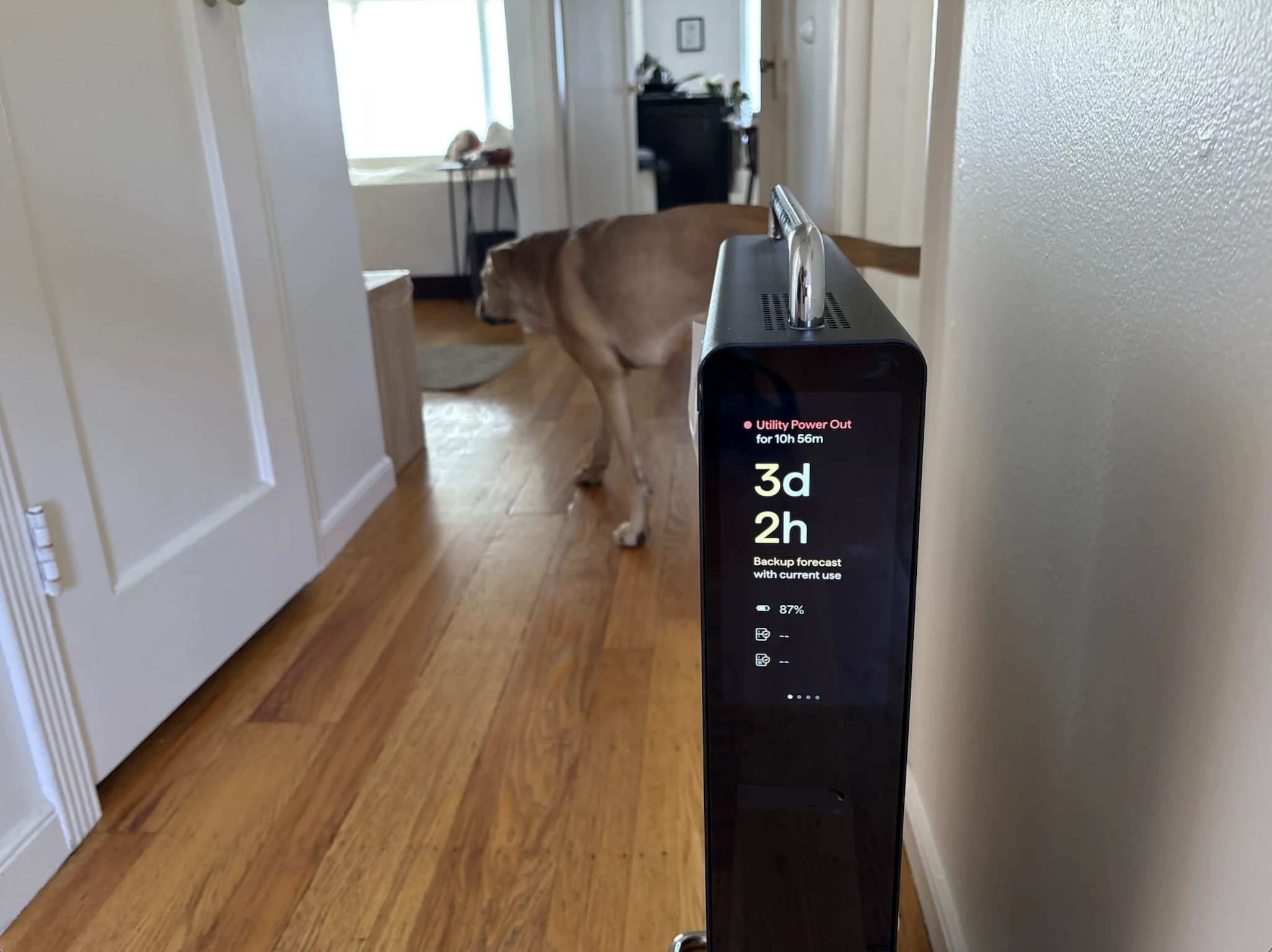
Vertical screen design, showcasing our backup mode and charge forecasts at Software Lead Niko’s house (featuring his adorable pup Willow)
📚 What the Pila team is reading…
📖 BloombergNEF | Small Solar Is Driving Biggest Green Market in Latin America
Brazil is emerging as Latin America’s clean-energy powerhouse, driven by a surge in small-scale solar backed by high power prices, favorable net-metering, and strong wind resources — positioning the country as a global leader in renewable investment, green hydrogen, and future carbon markets.
📖 Canary Media | The complicated reality behind rising power prices
Rising electricity prices are driven less by data centers and more by costly disaster recovery, grid maintenance, and fossil-fuel dependence, with evidence showing that clean energy and smarter regulation — not more coal or gas — are the most effective paths to stabilizing long-term power costs.
📖 Utility Dive | Beyond new wires: The untapped path to grid resilience
True grid resilience won’t come from building more wires, but from rapidly scaling and coordinating existing distributed energy resources — like batteries, EVs, and smart devices — through opt-out, customer-friendly programs that deliver fast, affordable, and flexible capacity.
📖 Canary Media | California’s plan to boost plug-in heat pumps and induction stoves
California has approved a $115 million program to accelerate affordable, plug-in heat pumps and induction stoves — using market incentives, manufacturer partnerships, and retailer engagement to make home electrification accessible, especially for renters and low-income households, while driving long-term clean-energy adoption nationwide.