Designing Pila: Elegant Form, Infrastructure-Grade Performance
When people talk about “design” they usually mean how something looks.
And yes, how Pila looks matters… A lot.
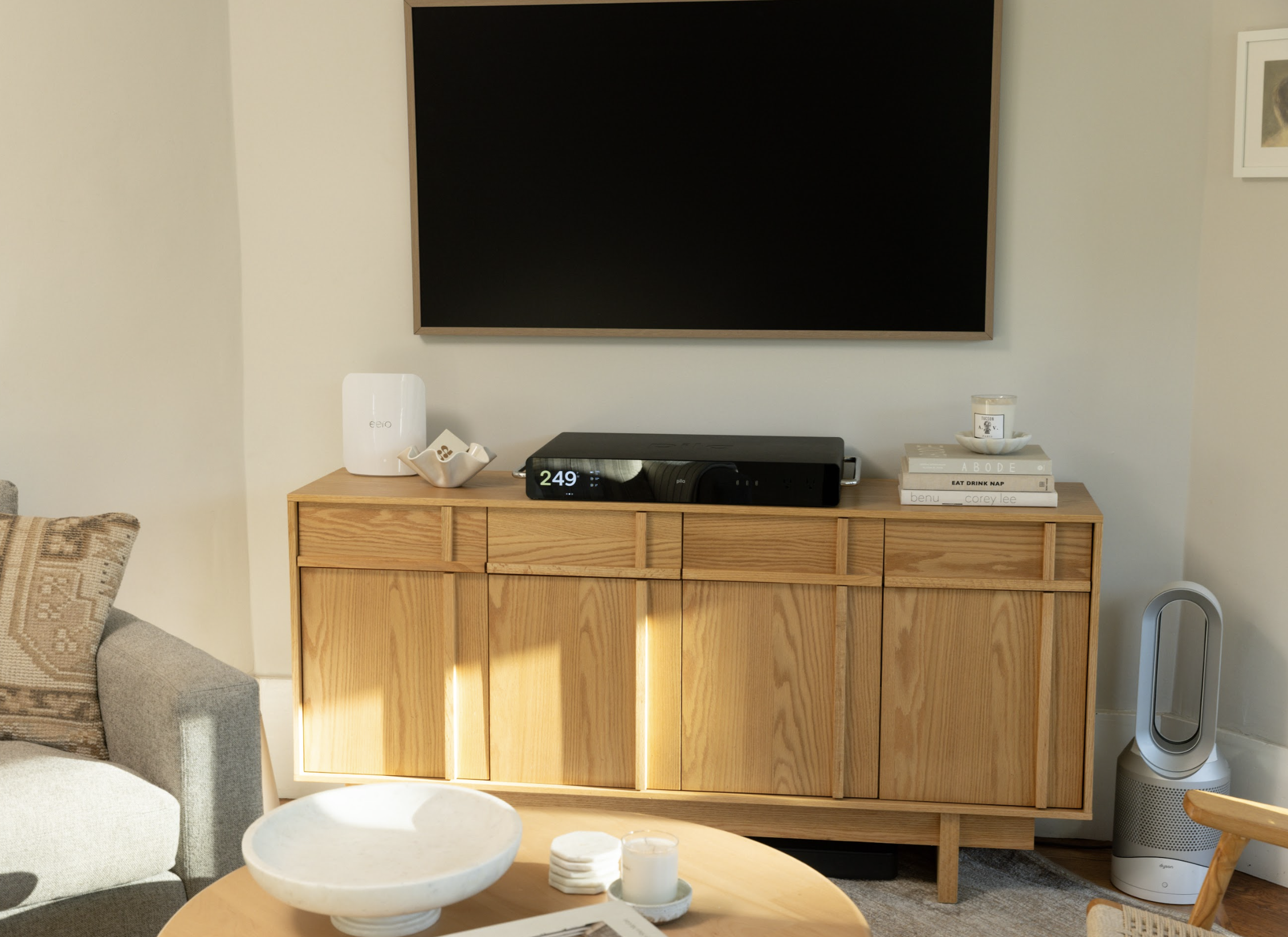
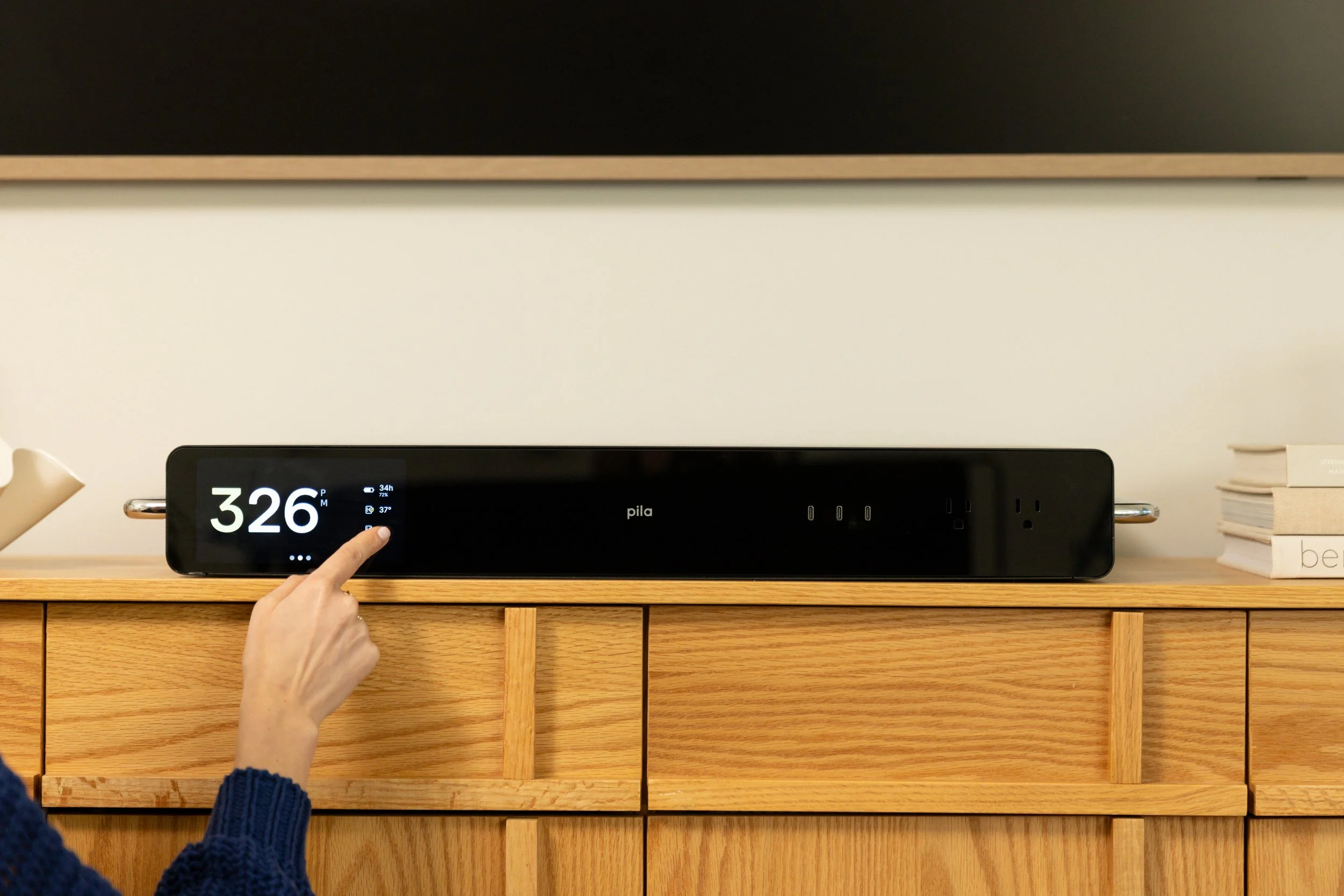
We worked closely with Bould Design because we believe energy products shouldn’t feel like clunky emergency equipment or garage hardware. If something lives in your home every day, it should feel like it belongs.
But for Pila, design goes much deeper than a precision aluminum enclosure.
Our goal has never been a shiny consumer gadget. We designed Pila as lasting infrastructure, living quietly in people’s homes while doing serious work under the hood.
Designing for real life, not idealized homes
Traditional backup power products assume a very specific customer: a homeowner with a garage, a big electrical panel, and the budget (and patience) for professional install.
Renters. Old buildings. Mixed-use spaces. Multi-family housing. Homes where the most critical load isn’t “the whole house,” but the fridge, the Wi-Fi, or a medical device.
Instead of leading with specs and size, we stepped back and asked:
What would a modern battery look like if it were meant to belong in the home?
That decision cascaded into everything else — form factor, modularity, setup, software, and expansion over time.
The Battery Mesh Network: design at the system level
One of the most important design decisions we made isn’t visible at all.
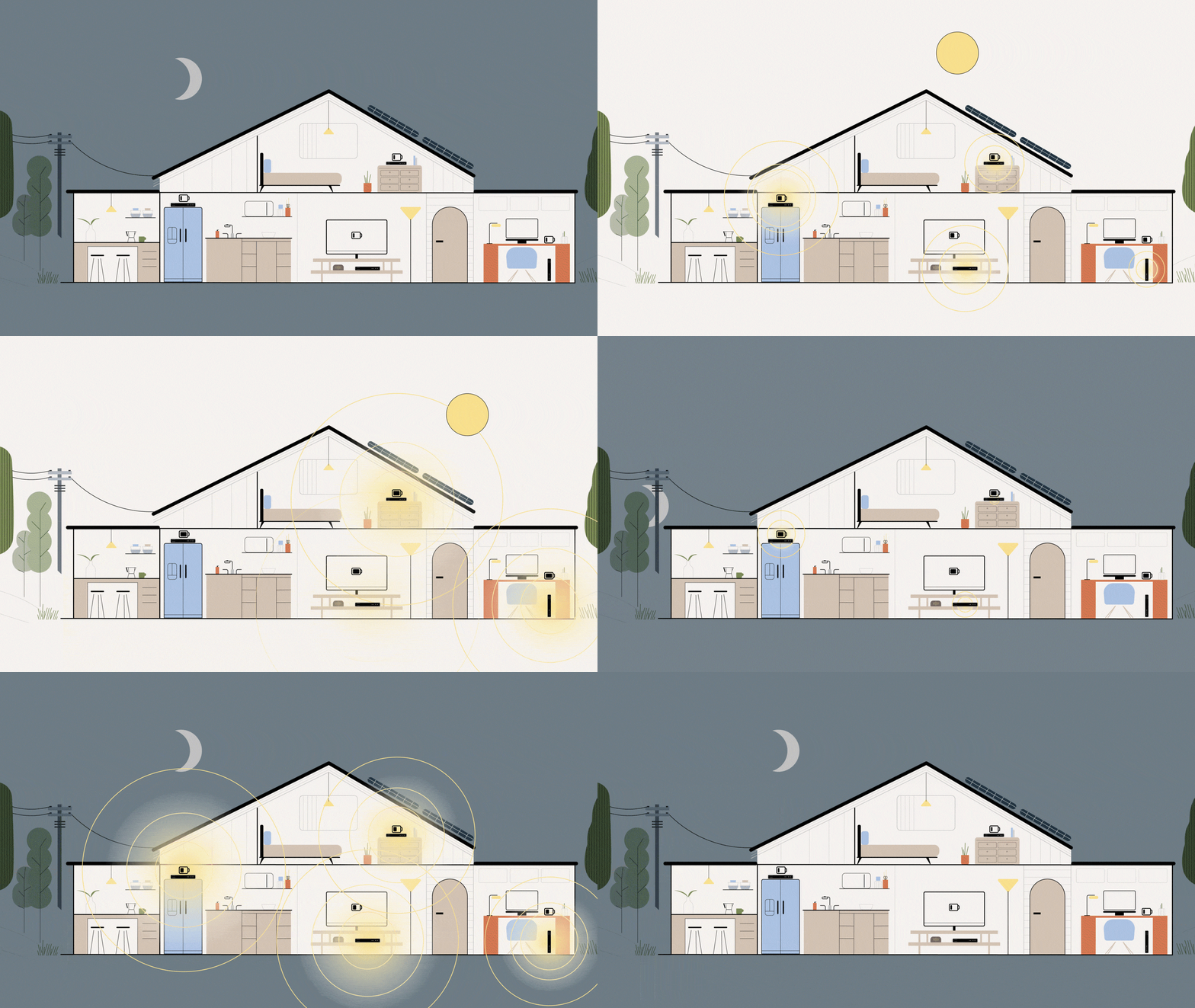
Pila batteries don’t operate as isolated units. They form a Battery Mesh Network — a distributed system where devices can discover each other, coordinate in real time, and behave like a single intelligent energy system.
This matters for two very different reasons:
1. Seamless setup and expansion
Setting up Pila shouldn’t feel like “installing infrastructure”. Instead you plug it in and it magically and securely joins the system. Add one in the kitchen. Another in the office. Another near a sump pump. No rewiring. No punching in WiFi passwords endlessly.
Simply stated, the Mesh is about removing friction — during first setup and every time your needs change.
2. Infrastructure-grade performance at scale
The same Mesh that makes home setup simple also enables serious coordination behind the scenes. The same system that feels effortless in your home is powerful enough to support our power grid.
When hundreds or thousands of Pila batteries are deployed in a building (or across a city) they can act together. Peak shaving. Load coordination. Grid services. Get it? It’s distributed, coordinated infrastructure.
Good design also means good software
Physical design only works if the underlying technology is equally considered.
That’s why we built PilaOS — Our own complete battery operating system that runs on every Pila device. It has given us the flexibility to move fast, push over-the-air updates, and make the product smarter over time instead of freezing it at launch.
It’s also what allows Pila to integrate cleanly with other home devices and future grid programs without constantly re-architecting the hardware.
I can’t emphasize this enough: Resilience products have to keep working when conditions aren’t perfect. That’s why every Pila also includes a cellular radio, making sure alerts, coordination, and control still work even your Wi-Fi goes down. If the grid is unstable or cloud systems falter, your energy system shouldn’t.
Human-understandable insight, not just power metrics
One of my favorite examples of “design beyond watts” is Pila’s fridge temperature monitoring.
Keeping a fridge powered during an outage is important, but it’s not the whole story. Is your food actually staying cold? Is the freezer creeping up in temperature? Is the fridge slowly failing even when the power is on?
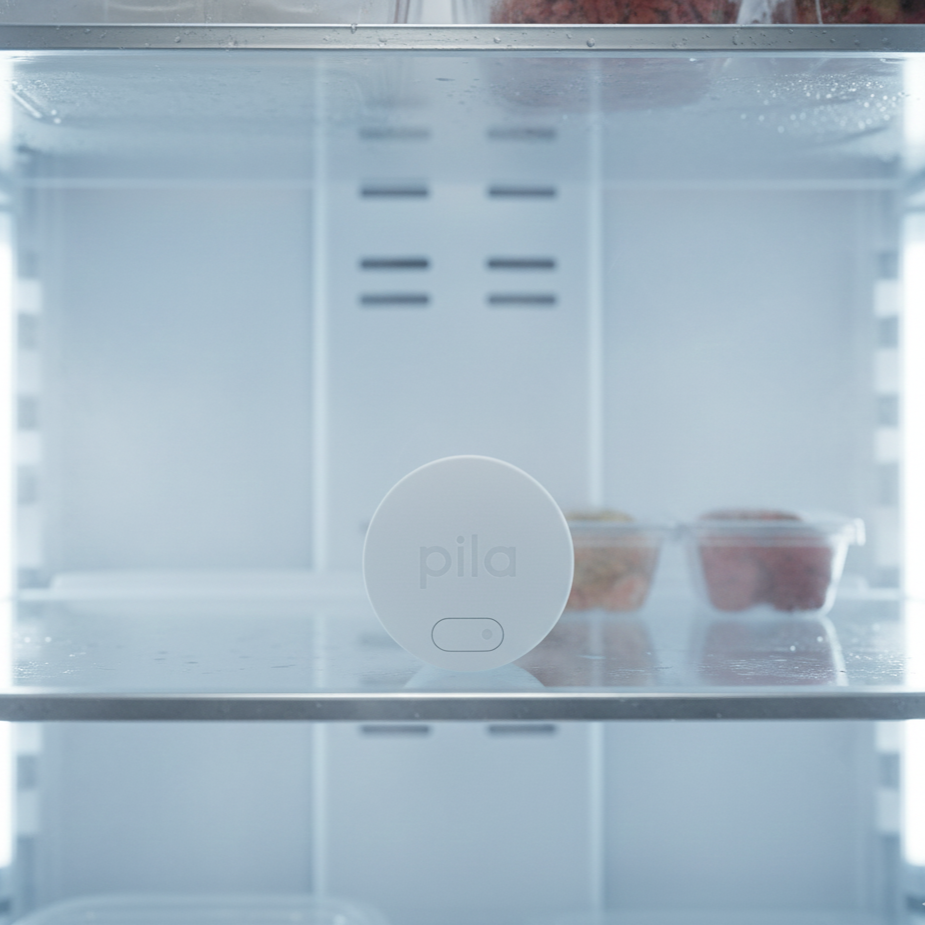
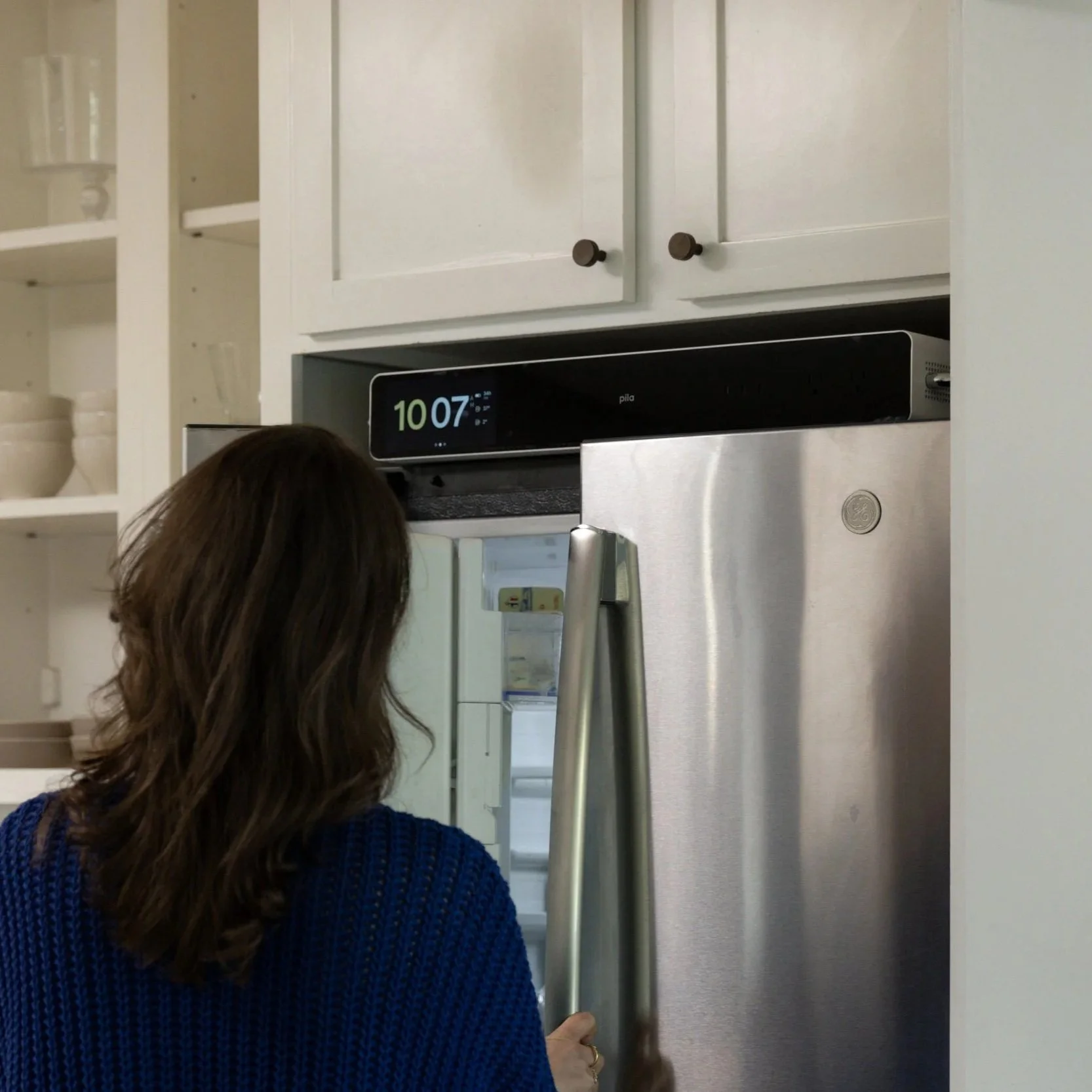

By monitoring internal temperatures directly, Pila delivers peace of mind that’s more personal and tangible. So it’s not just “the system is on,” but “my food is safe.”
Amory Lovins (of Rocky Mountain Institute) has a line I’ve always liked:
“People don't want energy; they want hot showers and cold beer.”
Energy is only useful insofar as it supports the things people care about. We strive to focus on the outcomes over the abstractions: Food safety. Comfort. Safety. Staying connected to loved ones.
Lessons carried forward
Before Pila, I worked on products at Tesla and SPAN — both helped define entirely new product categories in home energy. In many ways Pila is the continuation of this tradition of product excellence.
Some lessons that stuck:
People (especially older non-tech-native folks) often had their installer mount an iPad next to their Powerwalls because they wanted immediate visibility —> so Pila has a built-in touchscreen
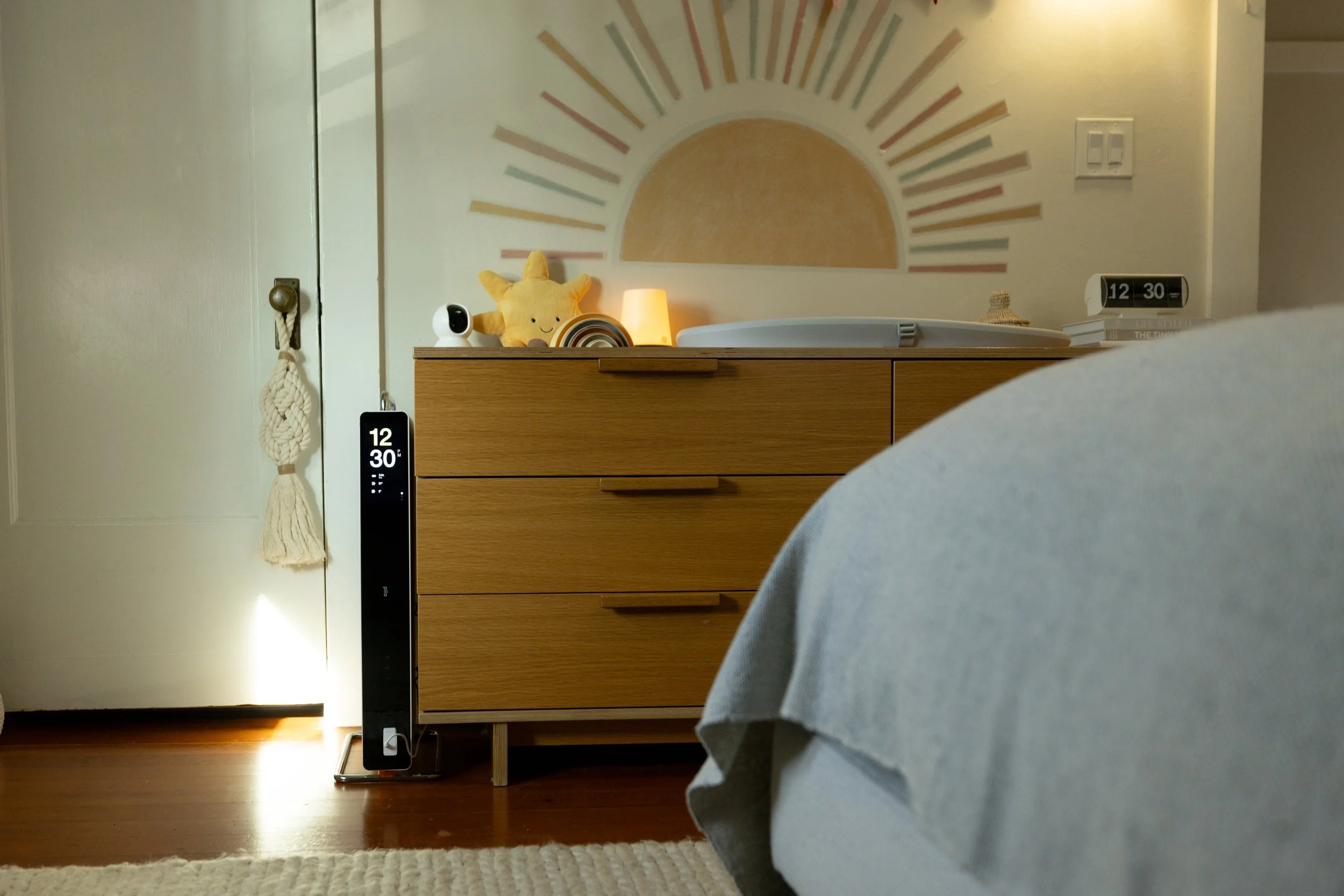
Homes are messy and varied -> so Pila can lay flat, stand upright, or mount on a wall
Energy products aren’t portable gadgets. They live semi-permanently in your space -> so they need to age well, visually and functionally
Setup friction kills adoption -> so simplicity has to be a core product tenet
Design in service of disappearance
If we’ve done our job right, Pila simply fades into the background.
You don’t need to think about backup power on the daily. Just live your life, knowing that when the grid fails — or your power bills spike — you have agency.
For me, this is what human-focused design looks like at the infrastructure level — Not flashier, not more information-dense. Just calmer and more dependable.
I’m deeply grateful to Fred and the Bould team for joining us to advance this idea that energy products can be both beautifully human and uncompromisingly serious.
We’re designing toward a future where resilience doesn’t require expertise, privilege… or even a garage. It’s just there, working quietly — The way power should!
If this resonates, we’re building… And we’re hiring!
Come help us design the next generation of home energy infrastructure ->