Why 2026 Will Be the Year Home Batteries Become Essential Home Appliances
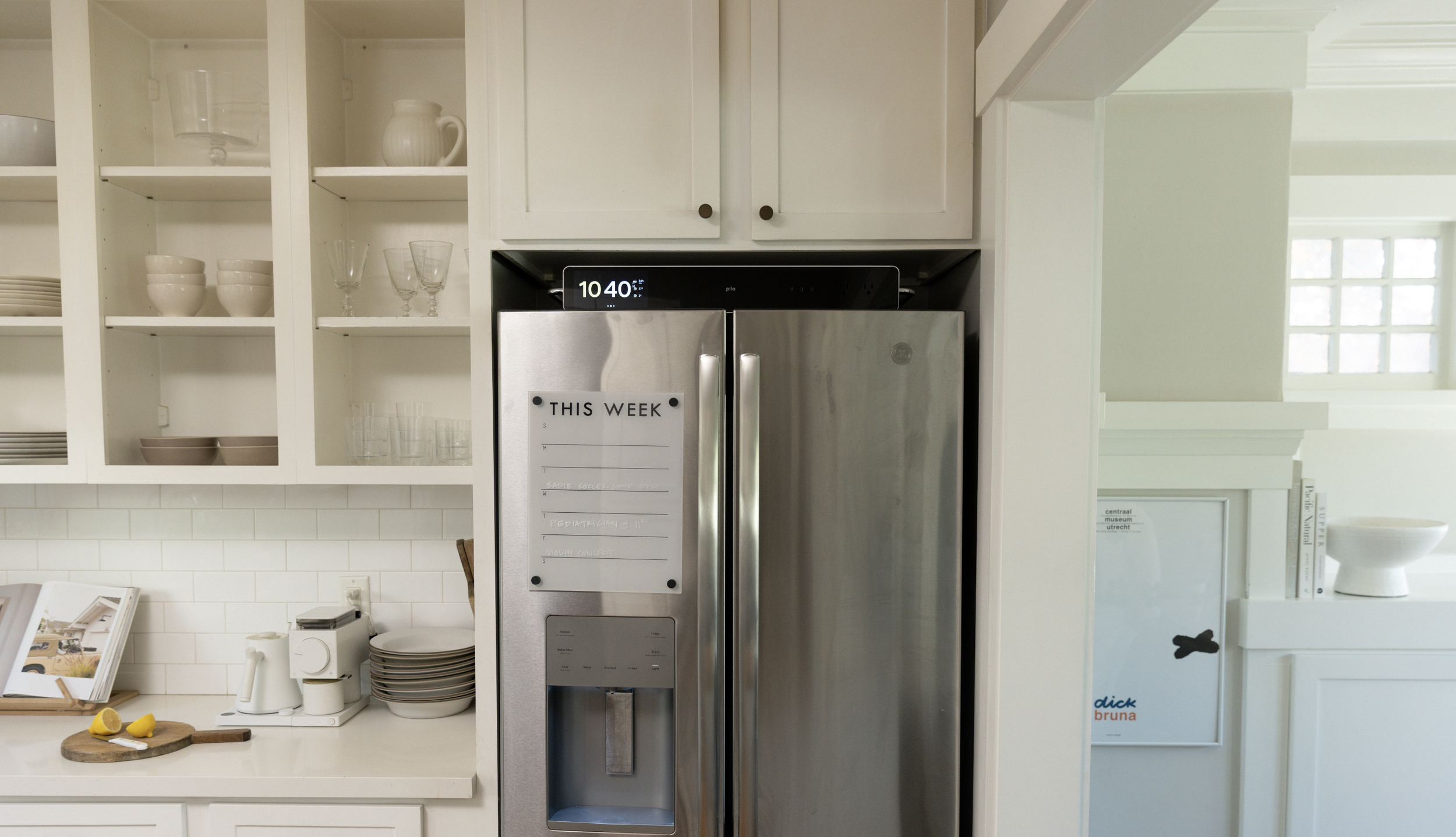
Last week, more than 1 Million Americans woke up without power. Ice-covered trees snapped, power lines came down, and a winter storm turned into multi-day outages across the South. For many families the result was brutal: spoiled food, freezing cold homes, and dead phones at the moment they needed to reach loved ones most.
Is it just me, or is this seeming like the new normal?
America's power grid is buckling under extreme weather and decades of underinvestment. From 2022 to 2025, average outage duration has gone up across the US–from 8.1 to 12.8 hours. Weather-related grid failures are up 64% versus last decade. Over 70% of remote workers lost work hours to outages last year. Alarmingly, the Department of Energy has warned that without dramatic intervention blackouts could increase 100-fold by 2030.
Utilities aren’t asleep at the wheel. Crews are staged earlier. Restoration and monitoring tools are improving. Yet outages tied to extreme weather keep increasing The problem is structural. Most of the grid was simply built for a different climate and different usage patterns.
We've reached an inflection point.
Let's follow from analogy. In early 2020, air purifiers transformed overnight from optional gadgets to household essentials. The global air purifier market jumped from roughly $10 billion to over $18 billion in just four years as COVID and wildfires made indoor air quality a visceral concern for millions of families.
Air purifiers hit their moment as the latest must-have home appliance around 2020
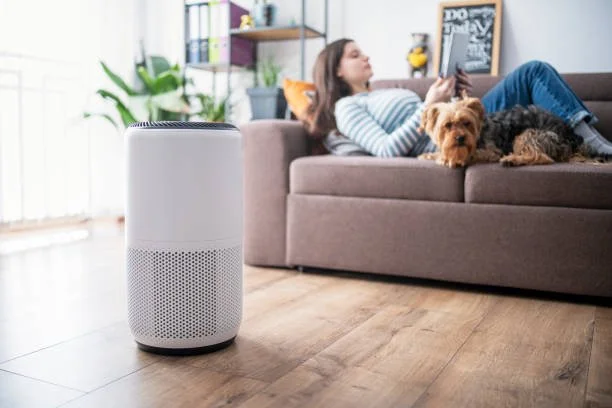
Air purifiers hit their moment as the latest must-have home appliance around 2020
Home batteries are hitting this same moment in 2026.
But! We have to realize that most people don’t adopt new home appliances just because they love technology. They adopt them because something important breaks often enough that it no longer feels acceptable — and because there’s a practical way to fix it.
I'm reminded of a blog post we wrote early in Pila's founding journey exploring consumer purchasing decisions around home upgrades. This point in particular: "It’s all about better quality of living — Comfort, Safety, Aesthetics, Savings, Resilience."
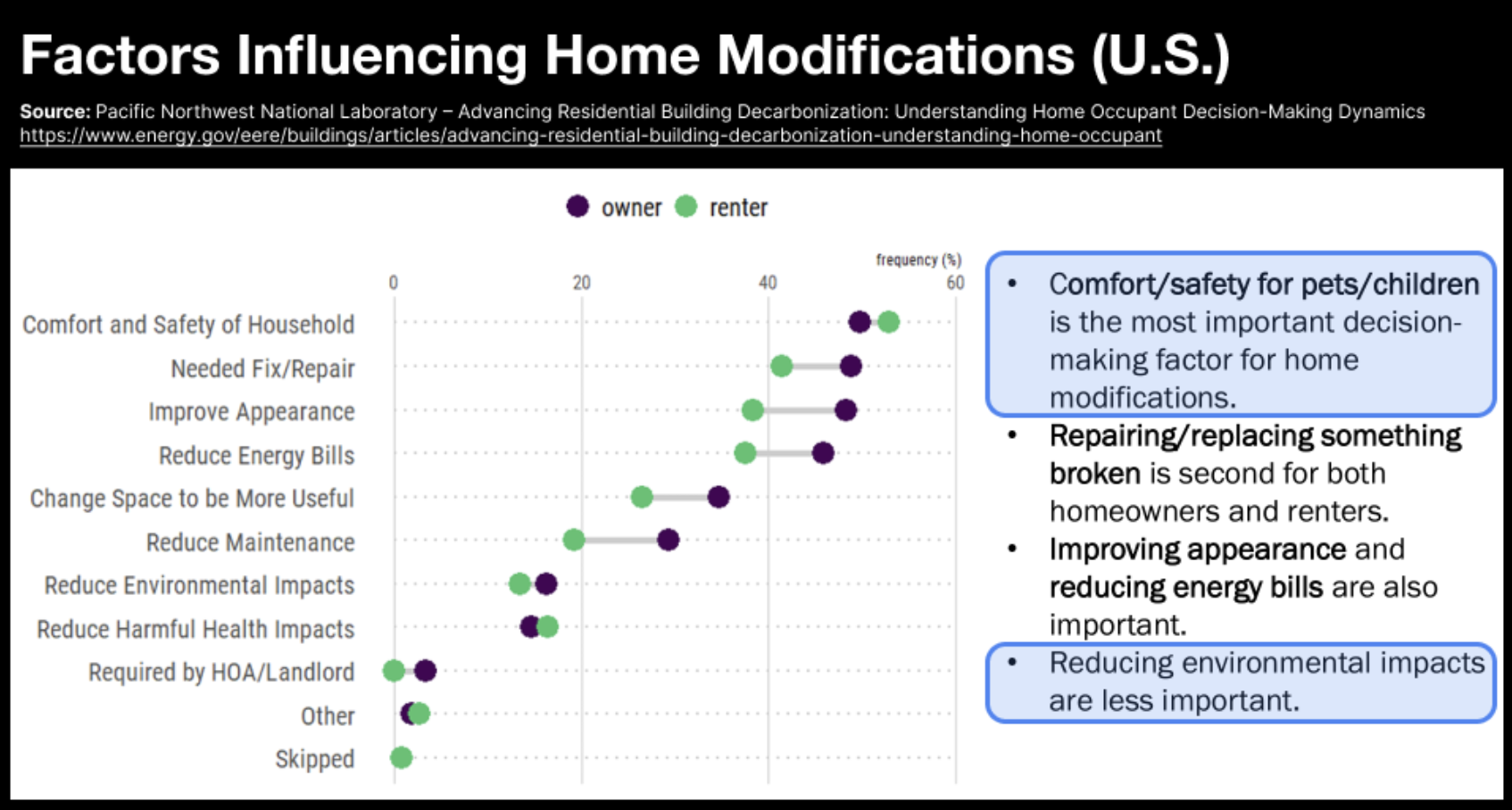
Results from this PNNL study offer lessons in what's truly needed to accelerate adoption of energy products.
Results from this PNNL study offer lessons in what's truly needed to accelerate adoption of energy products.
The Forces Driving Mass Adoption
I see 4 major trends rapidly converging...
The power grid crisis is accelerating. Again: storms, wildfires, and heat waves will keep intensifying. Families throw away hundreds in spoiled food. Remote workers can't work. Power cuts to medical devices.
Second, cost. Battery cell prices have fallen dramatically over the past decade, plummeting 80% since I started working on Powerwall. The same manufacturing scale that powers electric vehicles now supports home energy storage.
Third, true mass-market products have arrived. For years, home batteries have been though of as construction projects — electricians, rewiring, permits, and interconnection requirements that excluded renters and discouraged many homeowners who simply wanted reliable backup power for essentials. Products like ours at Pila aim to change the game: A new class of plug-in, modular systems can be installed in minutes and scaled up over time, delivering the same intelligence people expect from large whole-home installations (coordinated control, real-time monitoring, automatic backup, and grid-interactive value) without forcing a $20,000+ all-or-nothing decision.
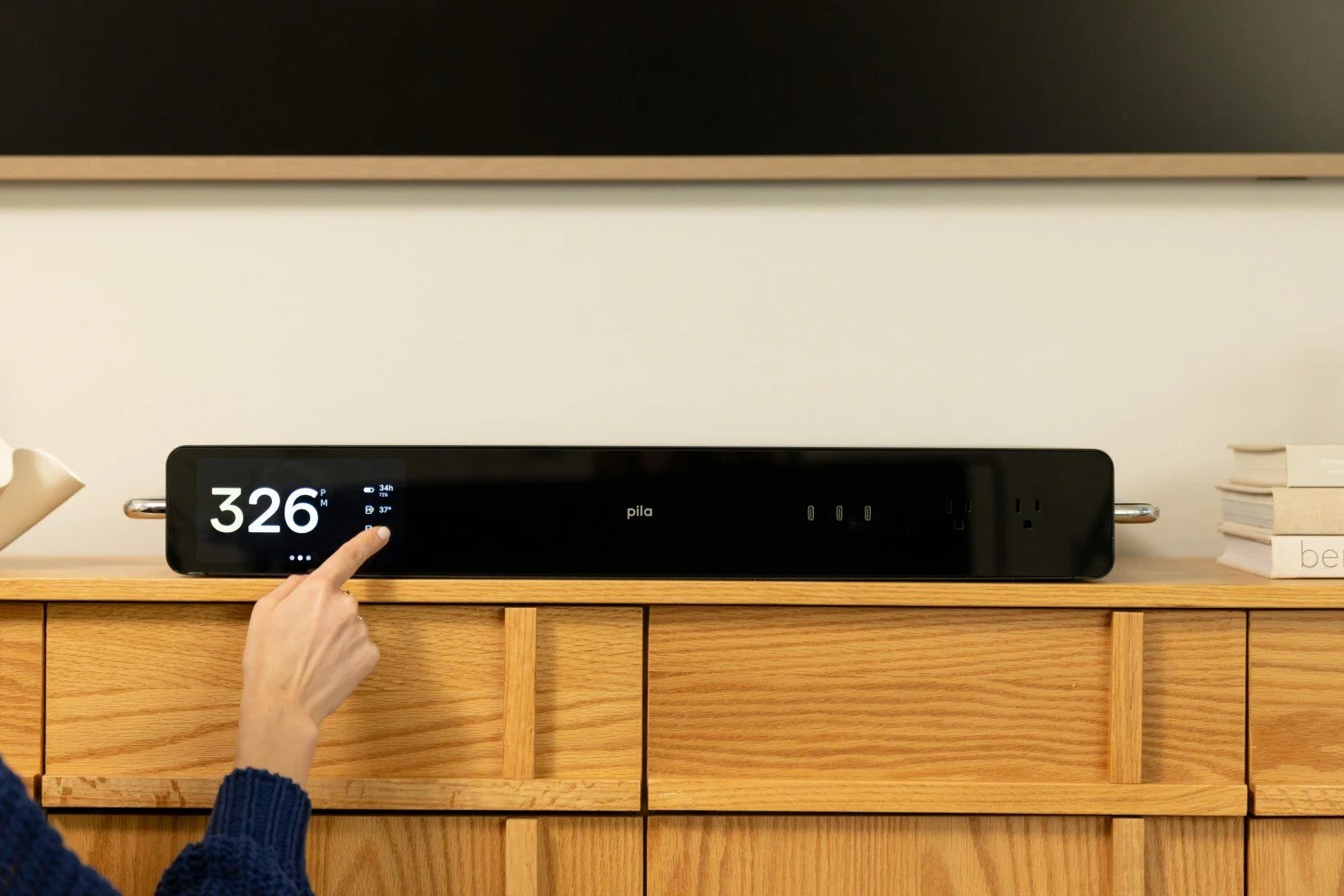
The Pila Mesh Home Battery – As smart as a powerwall, as affordable as a portable generator
The Pila Mesh Home Battery – As smart as a powerwall, as affordable as a portable generator
Finally, utility alignment. Utilities increasingly see distributed batteries as valuable assets. Virtual Power Plants (VPPs) — networks of home batteries that support the grid during peaks — are expanding rapidly. The DOE projects we'll need to triple VPP capacity to 80-160 gigawatts by 2030, saving $10 billion annually in grid costs. Studies show VPPs are 40-60% less expensive than peaker plants. This helps reduce cost of ownership further. Utilities are launching programs paying homeowners $40 to $300+ monthly to let their batteries support the grid. NRG bumped its 2025 Texas residential VPP target from 20 megawatts to 150 megawatts due to overwhelming demand. States are passing legislation mandating utility VPP programs. Utilities want batteries (read: flexibility, buffer) at the grid-edge, and they're paying for them.
The Tipping Point
I've spent a decades building home energy technology — Tesla's Powerwall and SPAN's Smart Electric Panel. I've seen what happens when well-designed products meets real need.
In 2020, we couldn't control the pandemic, but we could control the air we breathed indoors. In 2026, we can't control when the next storm hits, but we can control whether we're left in the dark.
Your refrigerator, your router, your family's safety — they all depend on electricity. Based on current trends, the power grid is going to become less reliable before becoming more reliable. And Americans are increasingly choosing not to be powerless while they wait.